60 Mil TPO Roof Installation on Atlanta Commercial Building
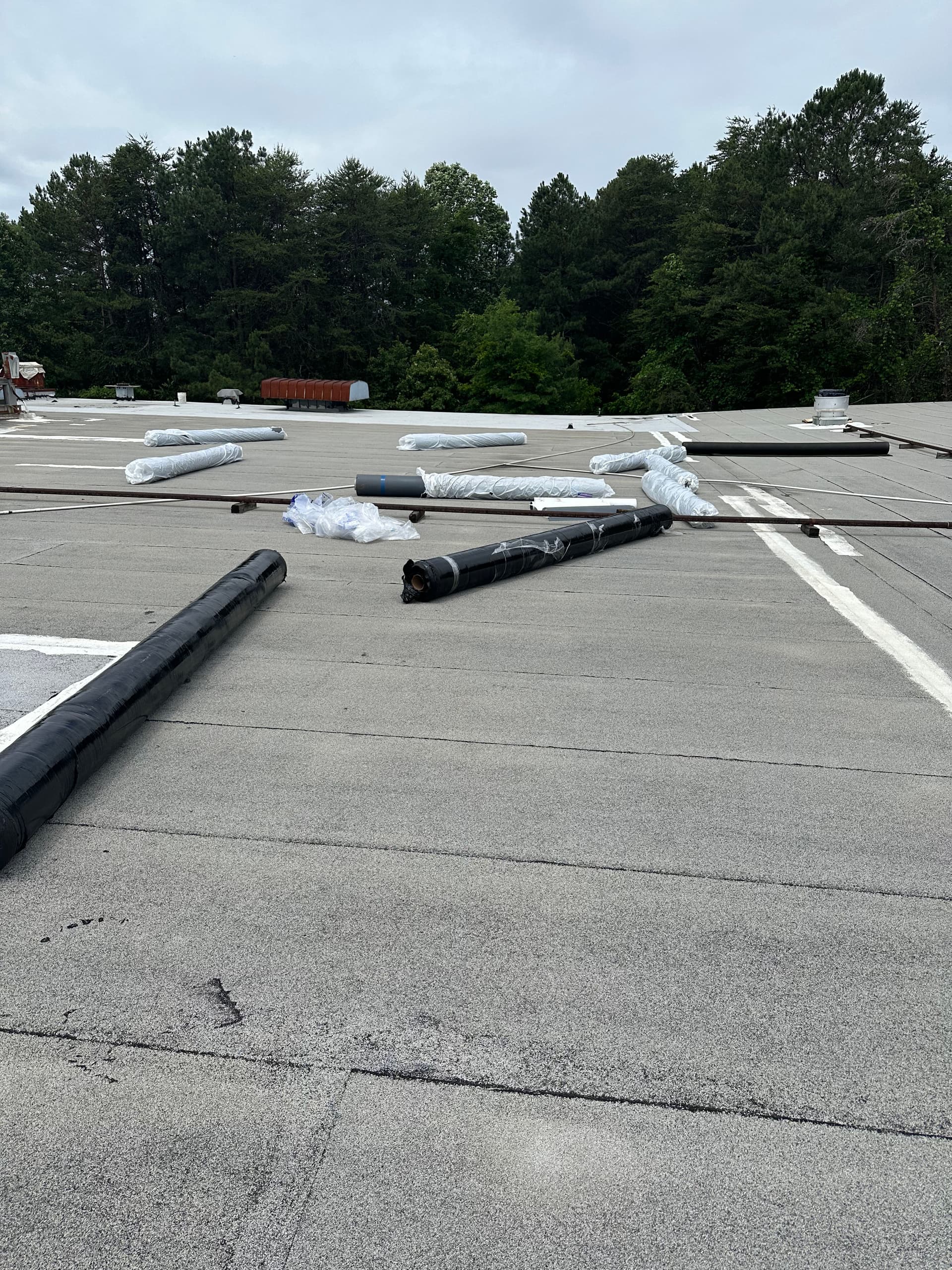
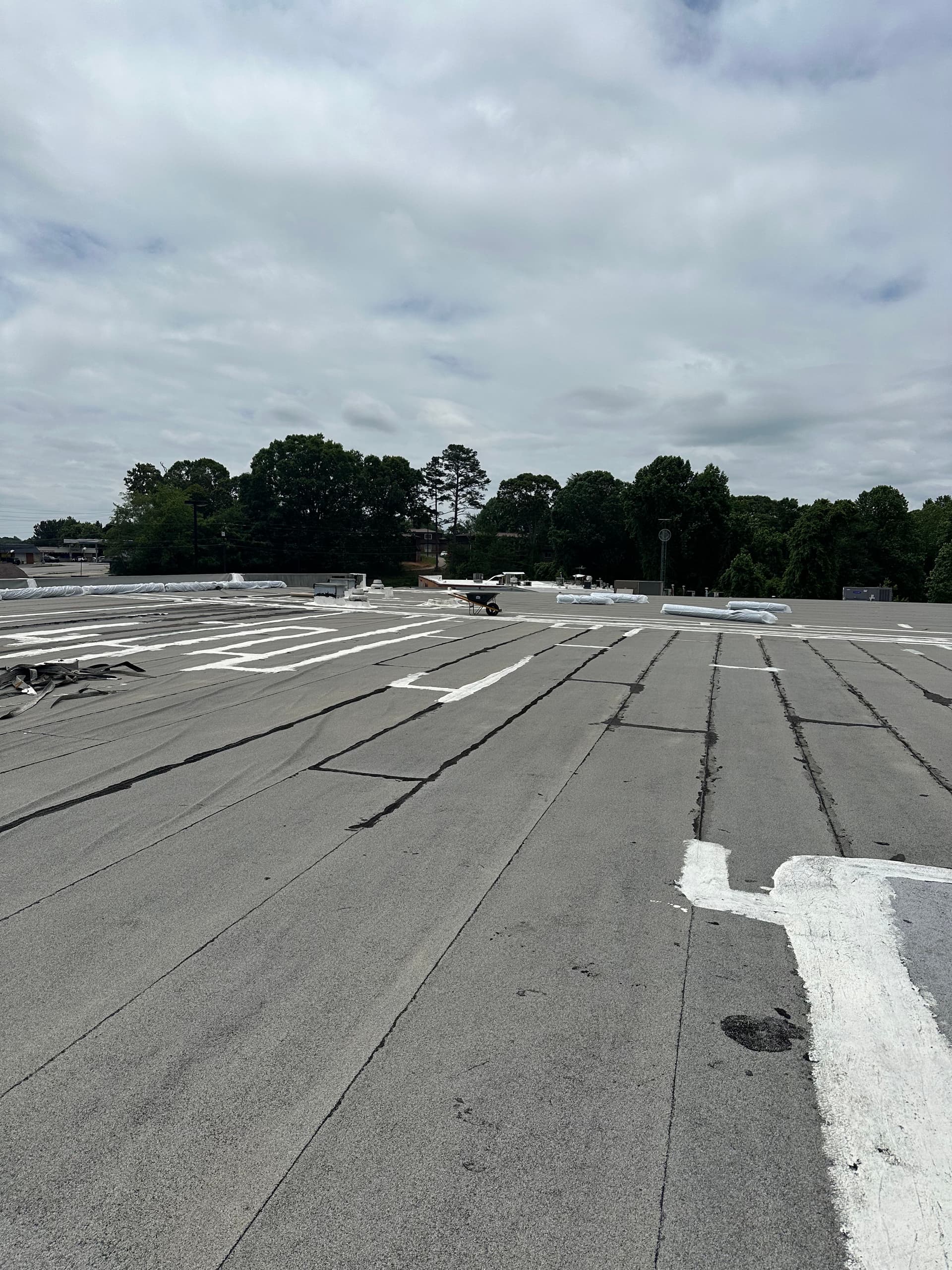
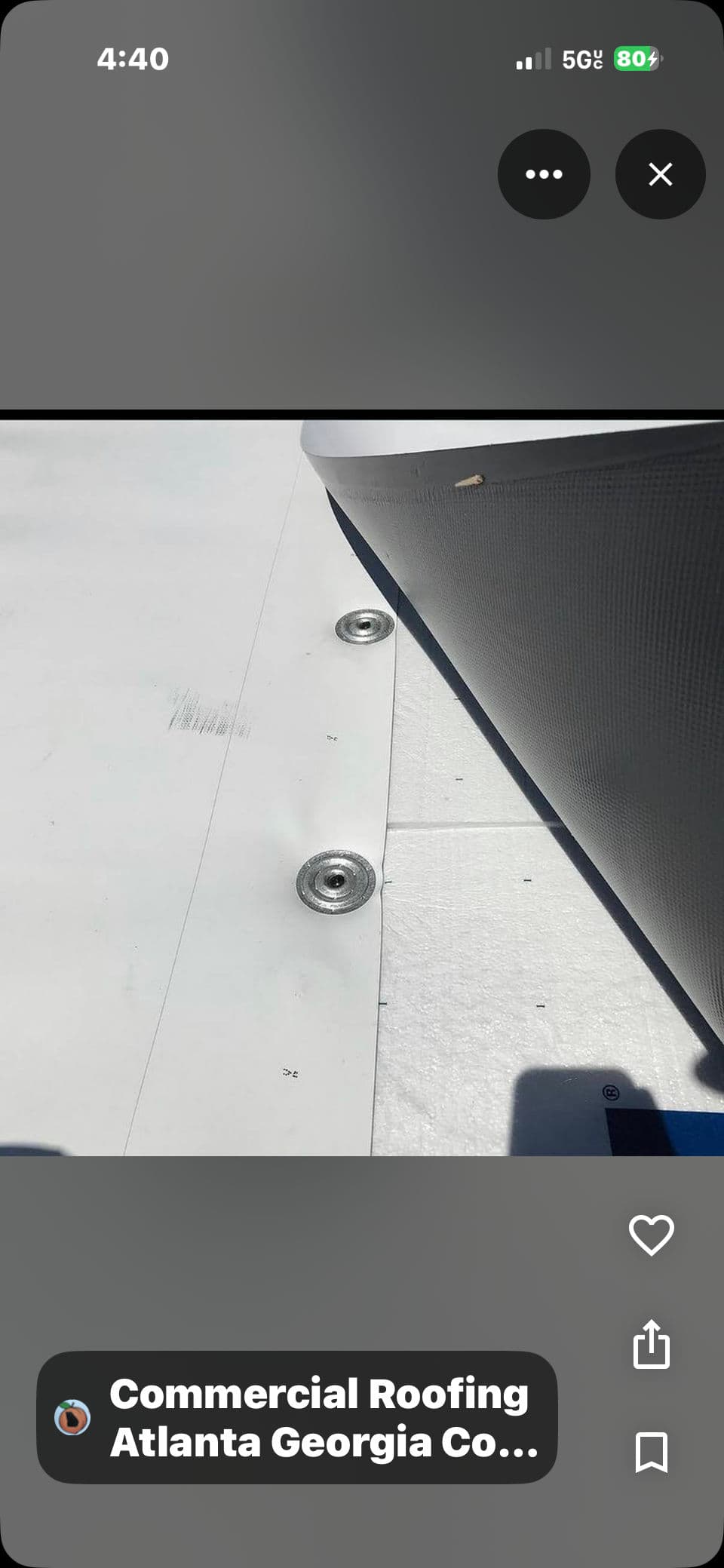
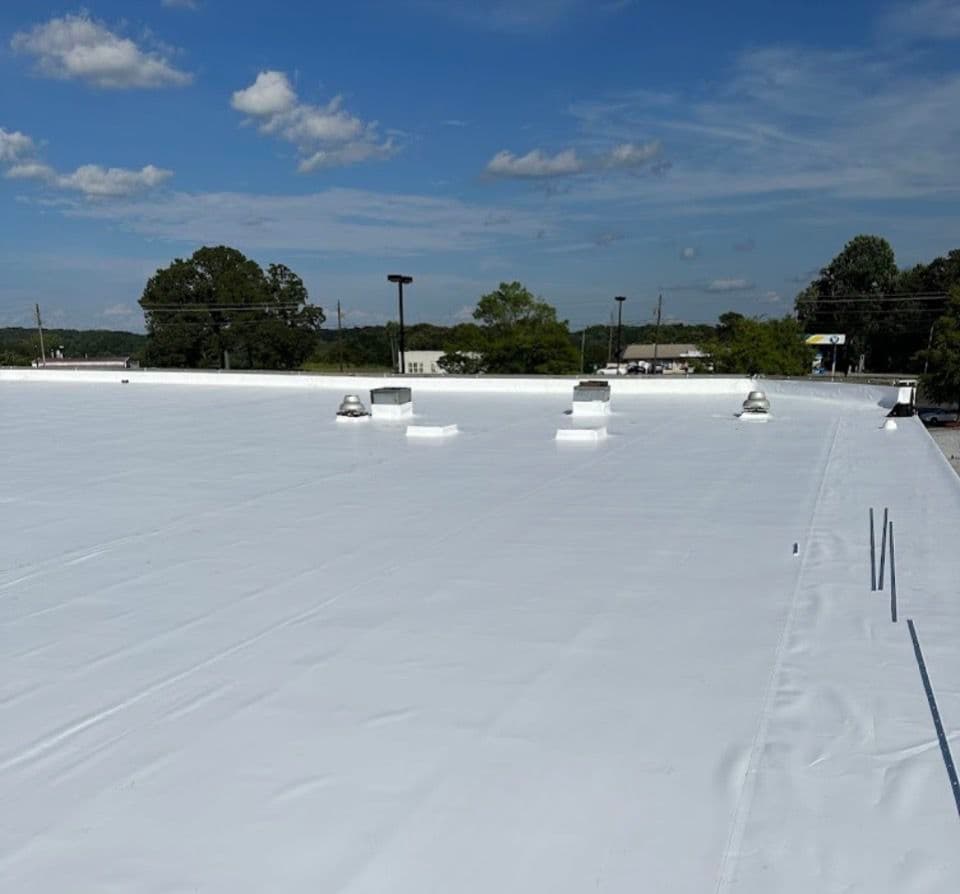
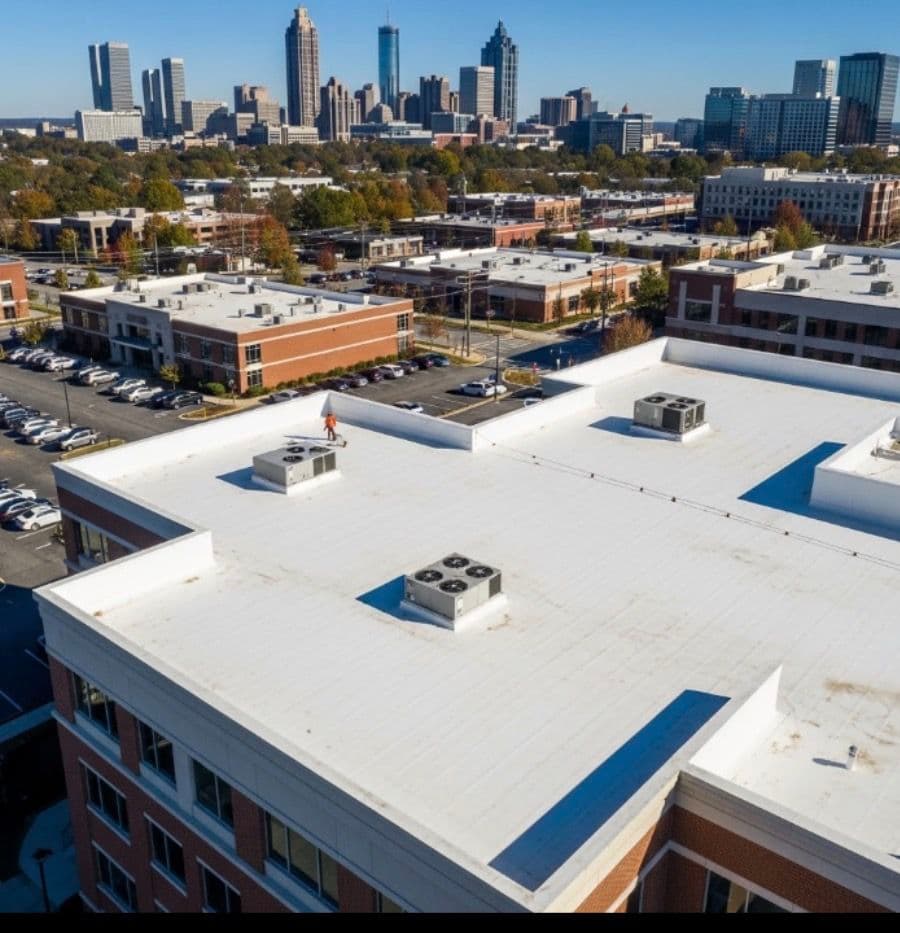
Here's what we were working with on this Atlanta commercial building - a worn-out flat roof that had already hit two layers. Under building code, you can only stack so many roof systems before you have to start pulling material off. So that's exactly what we did. We stripped the top layer, kept the base in place, and got down to a clean surface ready for the next phase.
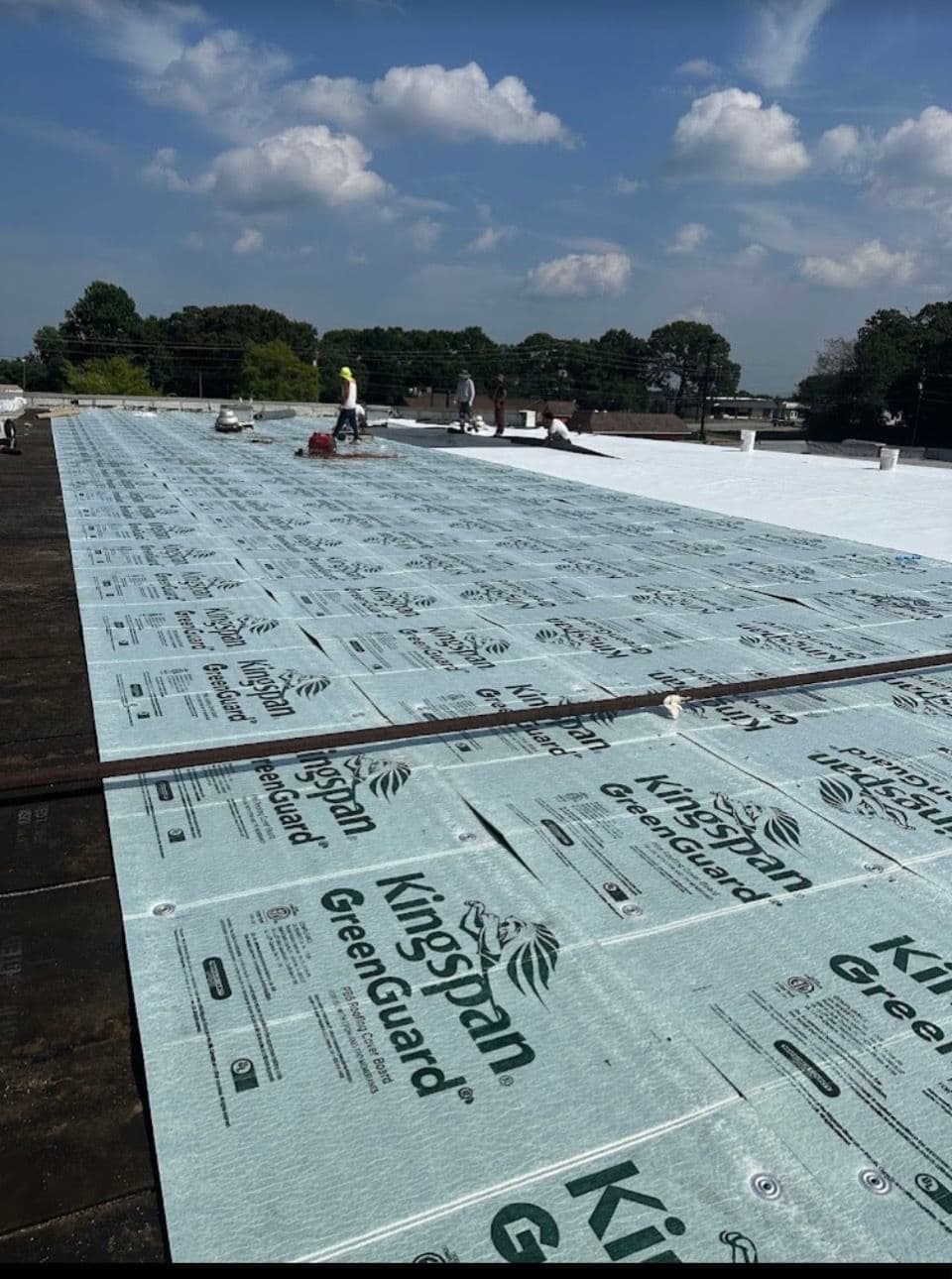
Before we laid a single sheet of membrane, we installed fanfold insulation board across the entire deck. That layer matters more than most people realize. It smooths out the surface, adds thermal performance, and gives the new membrane a solid, consistent base to bond to. Skipping it or cutting corners there is how you end up with a roof that fails early.
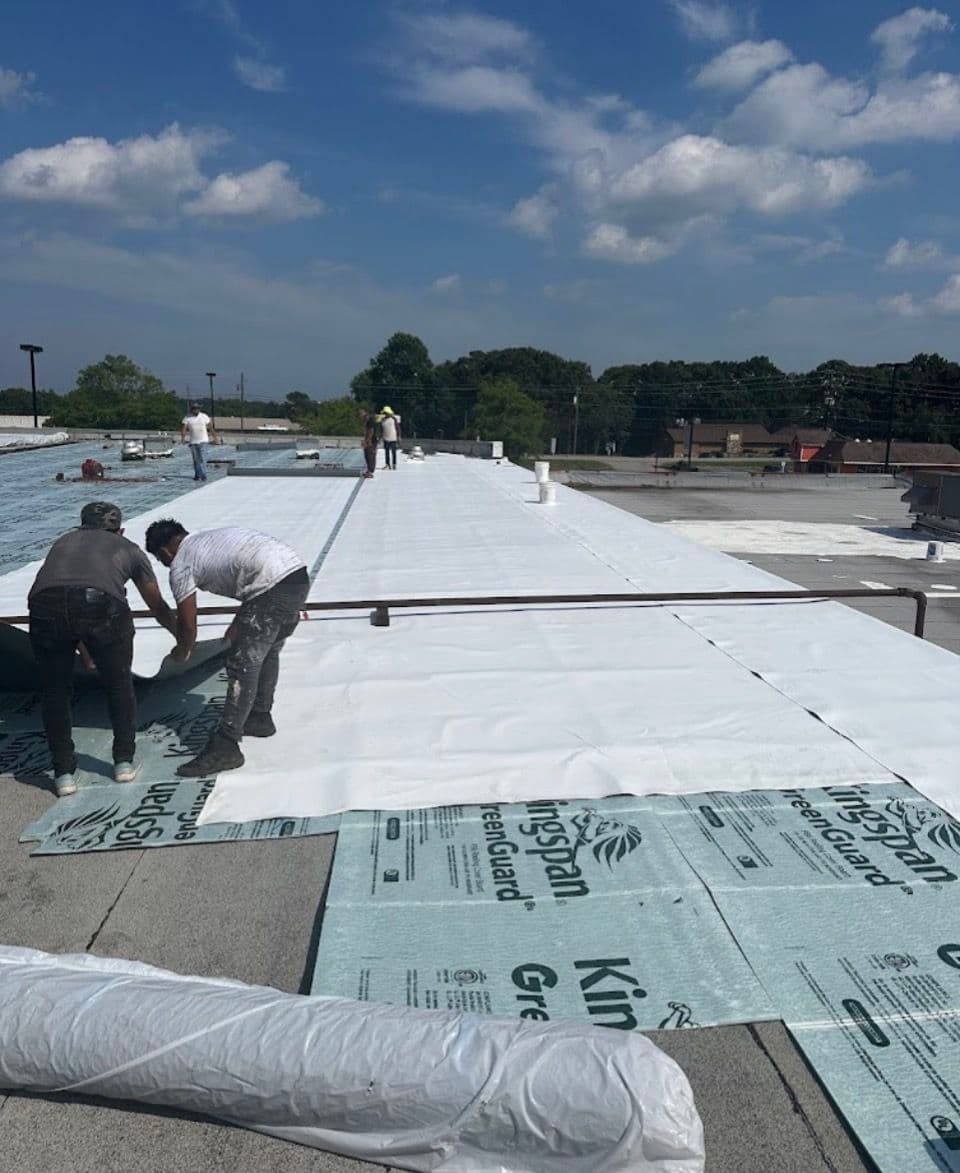
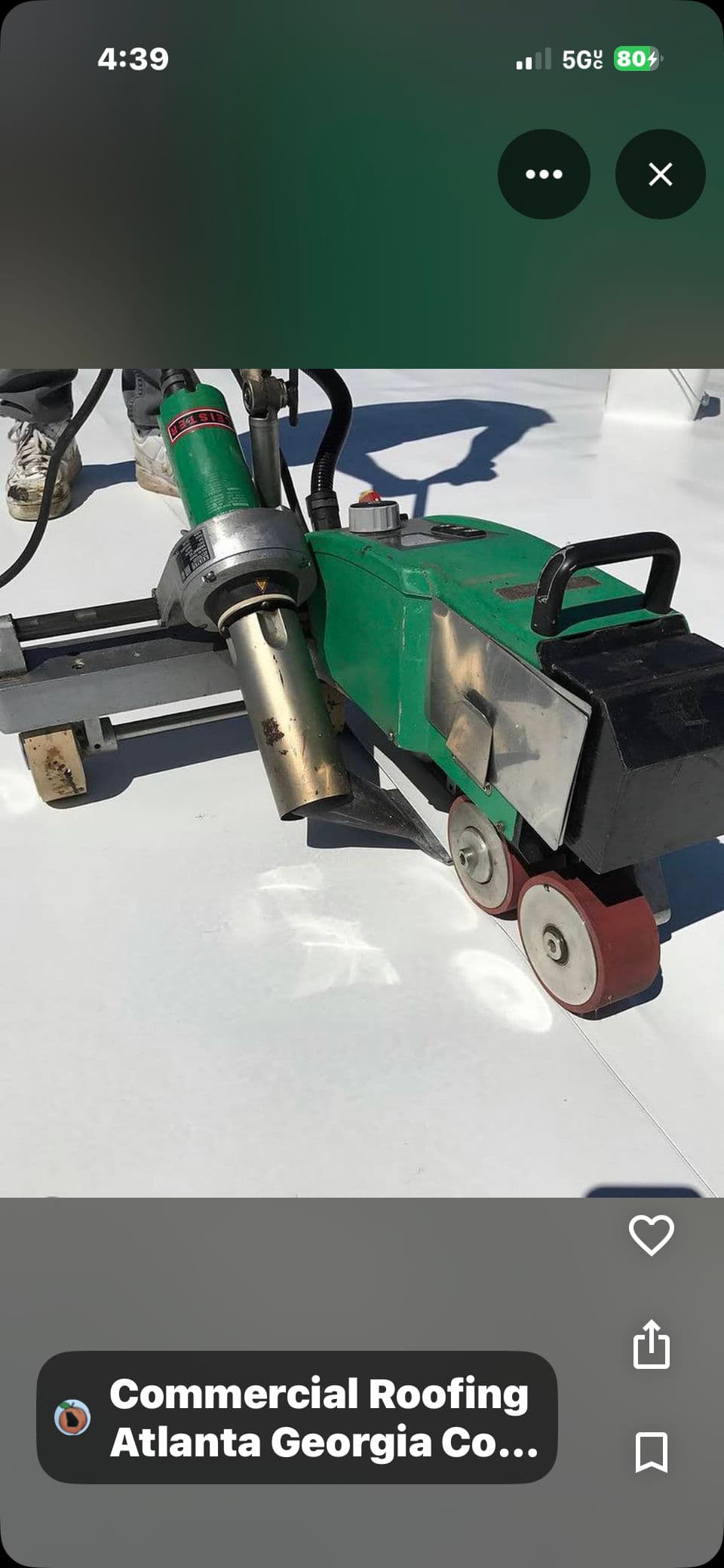
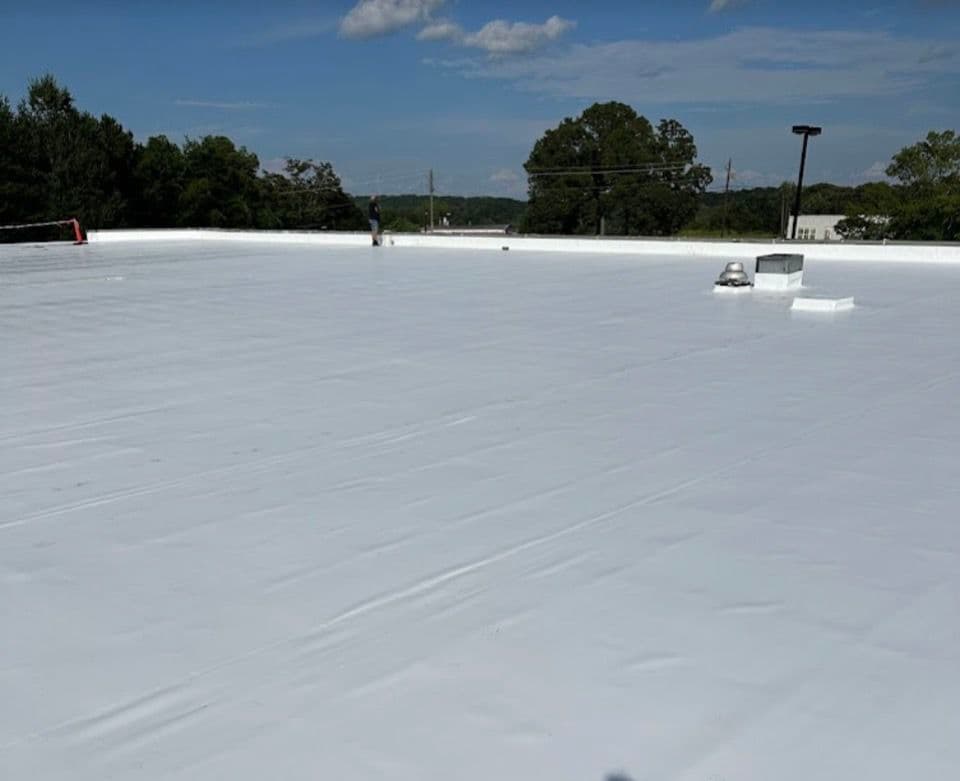
Then came the 60 mil TPO system. The 60 mil thickness is important - it's a heavier, more durable membrane than the standard options, and it's built to hold up against UV exposure, ponding water, and the kind of heat Atlanta dishes out in the summer. We used a hot-air welding machine to heat-fuse every seam, which creates a bond that's actually stronger than the membrane itself. No adhesives, no gaps, no weak points.
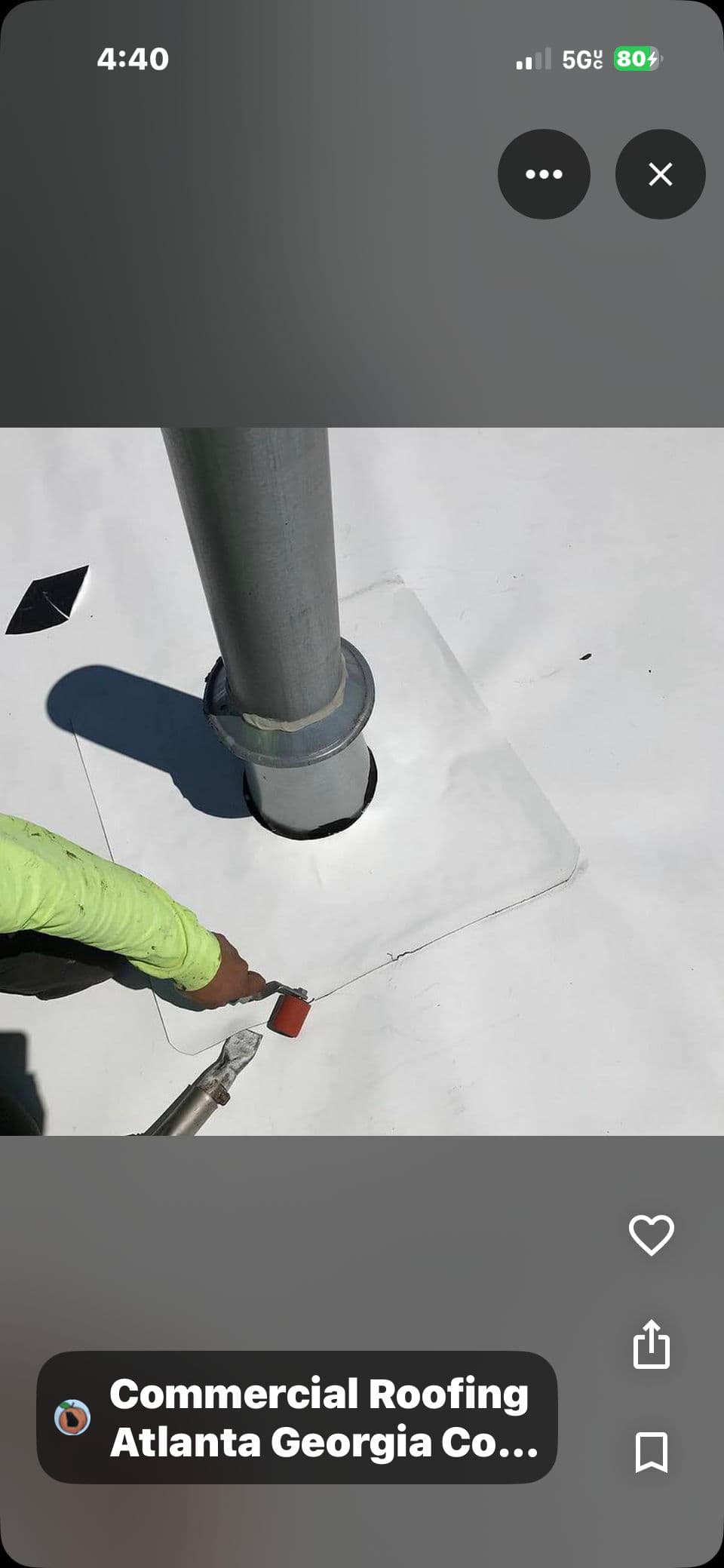
Every penetration - pipes, vents, curbs - got hand-welded and detailed by hand. That's where a lot of roofs fail, right at those transition points. We don't rush that part. The result is a fully sealed, mechanically fastened 60 mil TPO system that's going to protect this building for a long time.
One thing worth knowing if your building is in a similar situation - having multiple roof layers doesn't always mean you need a full tear-down to the deck. Sometimes removing just the top layer is all it takes to get back to a surface you can work with. It saves cost and time without cutting corners on the final product. If your commercial roof is aging or showing signs of wear, that's a conversation worth having.