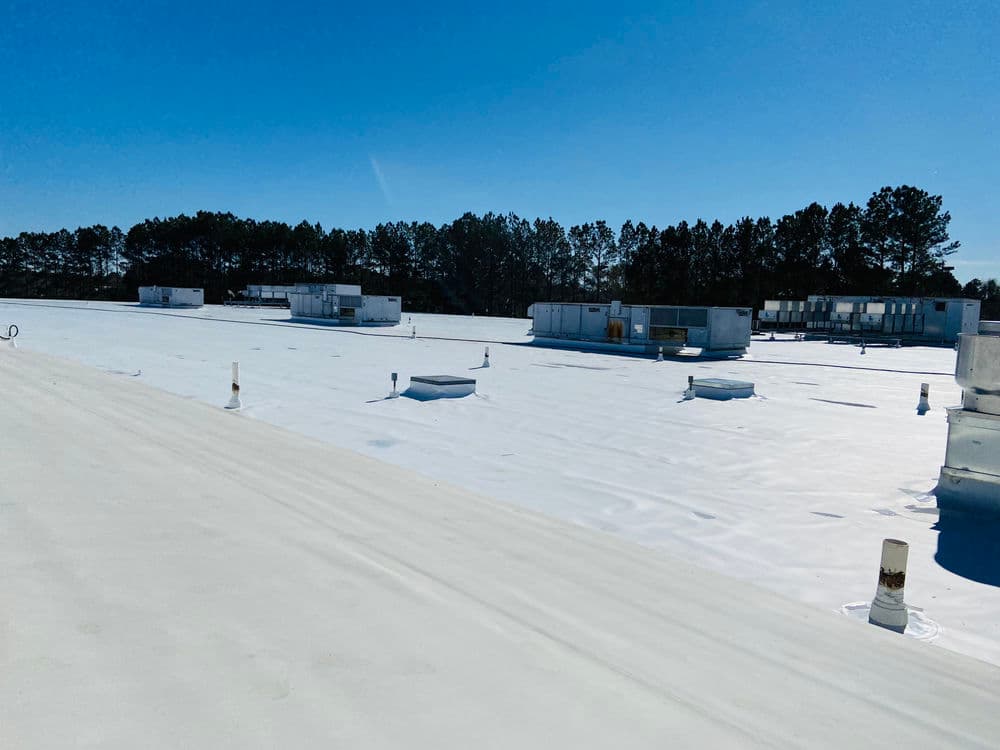
Silicone Roof Coatings That Stop Leaks
Our silicone coating seals problem areas, reflects heat, and helps your commercial roof last longer.
Silicone Roof Coatings
At Atlanta Commercial Roofing Services, we install silicone roof coatings to help commercial and industrial property owners stop leaks, lower heat buildup, and get more life out of an existing roof. A silicone coating creates a seamless, waterproof layer over the roof surface. It is a smart option when a roof is aging but still has a solid structure underneath. Instead of paying for a full tear-off too early, many building owners use silicone coating as a cost-effective way to protect the roof they already have.
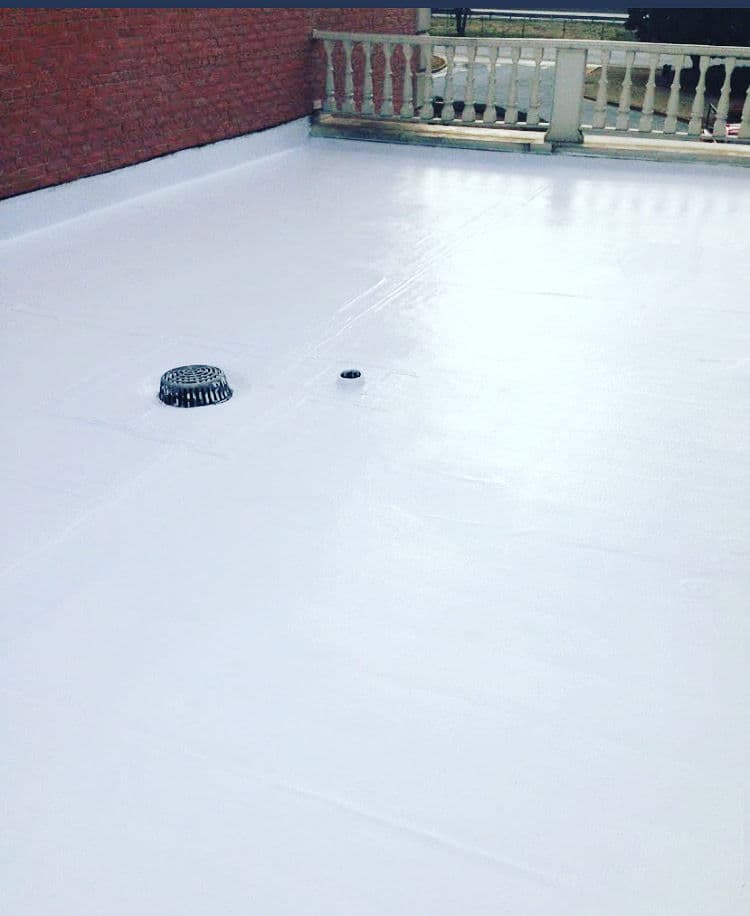
Silicone roof coatings are commonly used on flat and low-slope commercial roofing systems, but they can also be applied to metal roofs and some asphalt-based roof surfaces when conditions are right. Once cured, the coating helps resist standing water, sun damage, and everyday weather exposure. It also reflects UV rays and heat, which can help reduce roof surface temperatures and ease stress on the building.
What silicone roof coatings do
This service is designed to solve some of the most common commercial roof problems without the disruption of a full replacement. A properly installed silicone coating can:
- Seal minor leaks and vulnerable areas
- Create a seamless waterproof membrane
- Reflect sunlight and reduce heat absorption
- Help slow roof aging caused by UV exposure
- Extend the service life of an existing roof system
- Reduce maintenance needs over time
For many commercial buildings, that means better protection, less downtime, and a more manageable long-term roofing budget.
How our process works
We start by looking at the existing roof and making sure a coating system is the right fit. Not every roof should be coated, so we check the condition of the substrate, look for trapped moisture, inspect seams, penetrations, drains, flashing, and any problem areas. If the roof is a good candidate, we build a scope of work based on what the roof needs.
Our silicone roof coating process typically includes:
- Roof inspection: We evaluate the roof’s condition, identify leaks, and check whether the system can be restored.
- Surface preparation: The roof is cleaned to remove dirt, debris, oils, and loose material. Proper prep is critical for coating adhesion.
- Repairs: We address damaged seams, flashing issues, cracks, open laps, and other trouble spots before coating is applied.
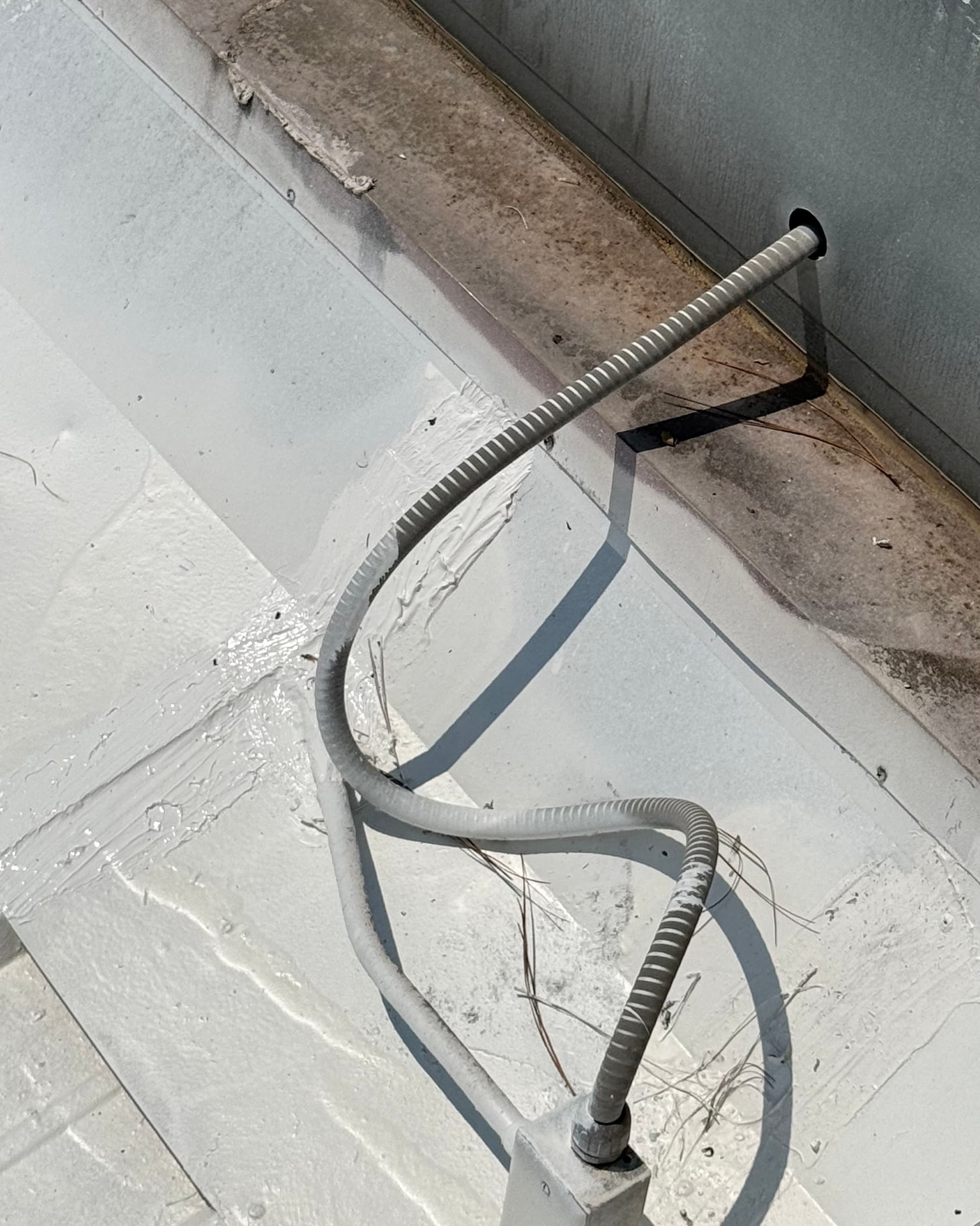
- Detail work: We reinforce penetrations, transitions, and leak-prone areas as needed.
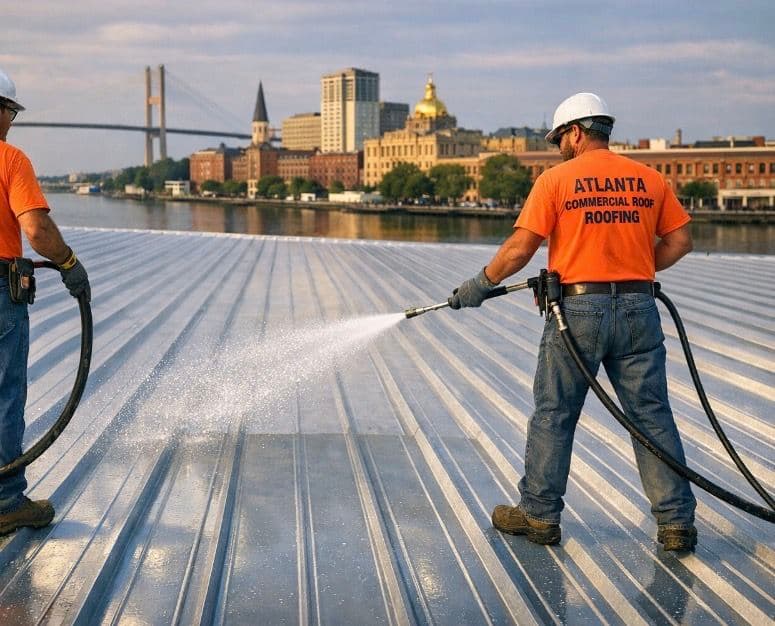
- Silicone application: The coating is applied at the proper thickness to create a durable, continuous membrane.
- Final review: We inspect the completed system to confirm coverage and workmanship.
Good prep and proper application matter just as much as the coating itself. Our goal is to install a roof coating system that performs in real Georgia weather.
Where silicone coatings are used
Silicone coatings are a strong option for many commercial and industrial buildings across the Atlanta metro and throughout Georgia. They are often used on:
- Warehouses
- Office buildings
- Retail centers
- Industrial facilities
- Churches
- Schools
- Multi-unit commercial properties
- Metal roof systems
- Asphalt roof systems where coating is appropriate
Because silicone performs well in wet conditions and holds up well against ponding water compared to many other coatings, it is often chosen for low-slope roofs that see heavy rain and constant sun exposure.
Benefits of silicone roof coatings
One of the biggest reasons customers call us for silicone roof coatings is to avoid the expense and disruption of a full roof replacement before it is truly necessary. If the roof deck and underlying system are still in serviceable shape, a coating can restore performance and buy valuable time.
Key benefits include:
- Leak protection: Helps seal the roof surface and cover vulnerable points where water can enter.
- Energy savings potential: Reflective white silicone can help reduce rooftop heat gain.
- Extended roof life: Adds a protective layer that helps preserve the existing roof.
- Less tear-off waste: Restoration can reduce landfill waste compared to replacement.
- Lower disruption: Coating projects are often less invasive for occupied commercial properties.
- Strong weather resistance: Silicone stands up well to UV rays, rain, and temperature swings.
We always give honest guidance on whether coating, repair, or replacement makes the most sense for your building.
Important considerations
Silicone roof coatings are not a one-size-fits-all fix. The existing roof has to be evaluated carefully. A roof with major structural damage, saturated insulation, widespread failure, or severe deterioration may need more than a coating. That is why the inspection stage matters. We do not push a roof coating where it will not perform.
Thickness, adhesion, drainage conditions, and the type of existing roof all play a role in the success of the system. Ongoing maintenance also helps protect your investment. Even a coated roof should be checked from time to time to catch damage early and keep drains and roof surfaces clear.
Why businesses choose us
We are a family-owned company focused on commercial and industrial roofing only. We do not take residential jobs. That focus matters because commercial roofing systems need a different level of planning, safety awareness, and technical experience. Our customers choose Atlanta Commercial Roofing Services because we provide professional quality, reliable service, and straightforward communication. We are licensed and insured, and we serve the Atlanta metro as our primary market, with statewide Georgia service as needed.
When we prepare a proposal, we provide a clear bid based on the roof’s actual condition and the scope required. We want building owners and property managers to understand what is being done, why it matters, and what results to expect.
Get a quote for silicone roof coating
If your commercial or industrial roof is leaking, heating up your building, or showing signs of age, a silicone roof coating may be the right solution. We can inspect the roof, explain your options, and let you know if restoration is a smart fit. Call Atlanta Commercial Roofing Services at (678) 687-8830 to discuss your project and request a quote.
Related Projects
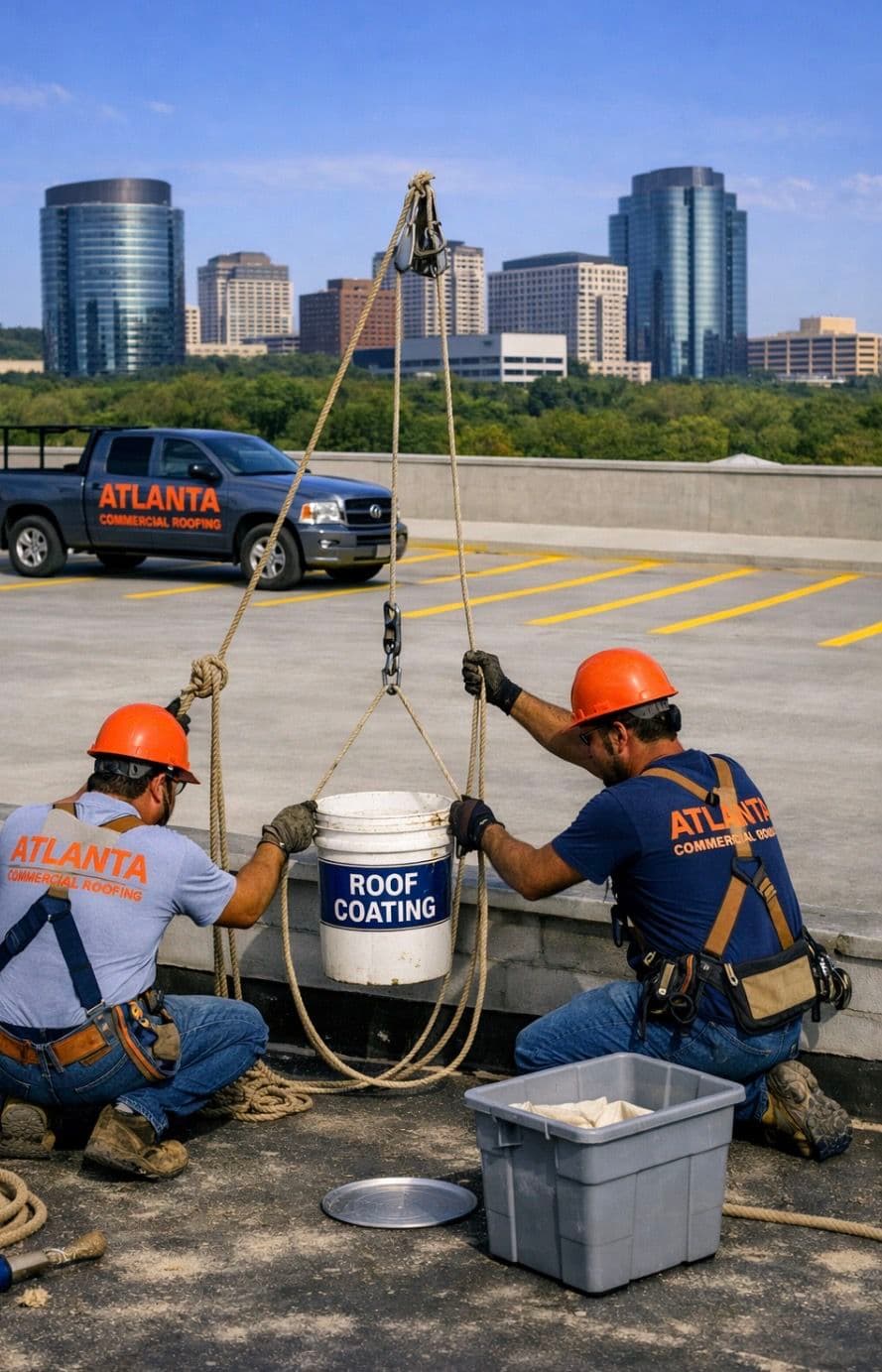
Our Silicone Roof Coating Process
We make commercial roof restoration simple, clear, and dependable. Our team inspects the roof, solves active problem areas, and applies a high-performance silicone system built to seal leaks, reflect heat, and extend service life.
Inspection, Core Review & Quote
We start with a site visit to inspect your commercial or industrial roof, check seams, penetrations, ponding areas, and current membrane condition on metal or asphalt systems. Then we provide a detailed Microsoft-based quote and clear coating scope, usually within 1 to 3 business days.
Surface Prep & Roof Repairs
Before any silicone goes down, we clean the roof, remove debris, treat problem areas, and complete needed repairs so the coating bonds the right way. We reinforce seams, flashing details, and leak-prone areas first, because good prep is what makes a coating system last.
Silicone Application & Final Review
We apply the silicone roof coating to the specified mil thickness for a seamless, weatherproof membrane that resists UV exposure and standing water. After curing, we perform a final walkthrough, confirm clean edges and coverage, and make sure you are fully informed before we close out the job.
Silicone Roof Coating FAQs
Common questions we hear from commercial and industrial property owners about silicone roof coatings in Atlanta and across Georgia.
Protect Your Roof Before Leaks Spread
Call our licensed, insured team today for a silicone coating that seals, cools, and extends roof life.