Durable TPO Roofing Systems
We install energy-efficient flat roofs that lower cooling costs and protect your commercial building for years.
Call Atlanta Commercial Roofing Services now for durable TPO roofing that stops leaks and lowers energy costs.
We install energy-efficient flat roofs that lower cooling costs and protect your commercial building for years.
We start with a detailed on-site inspection of your commercial roof, checking insulation, drainage, seams, flashing, and roof deck condition. Then we explain your TPO options, timeline, and pricing clearly so you know exactly what to expect before any work begins.
Once you approve the scope, we build a project plan around your property, occupancy needs, and budget. We schedule material delivery, coordinate tear-off or recover work, and map out membrane attachment, edge metal, and weather timing to keep the installation efficient and on track.
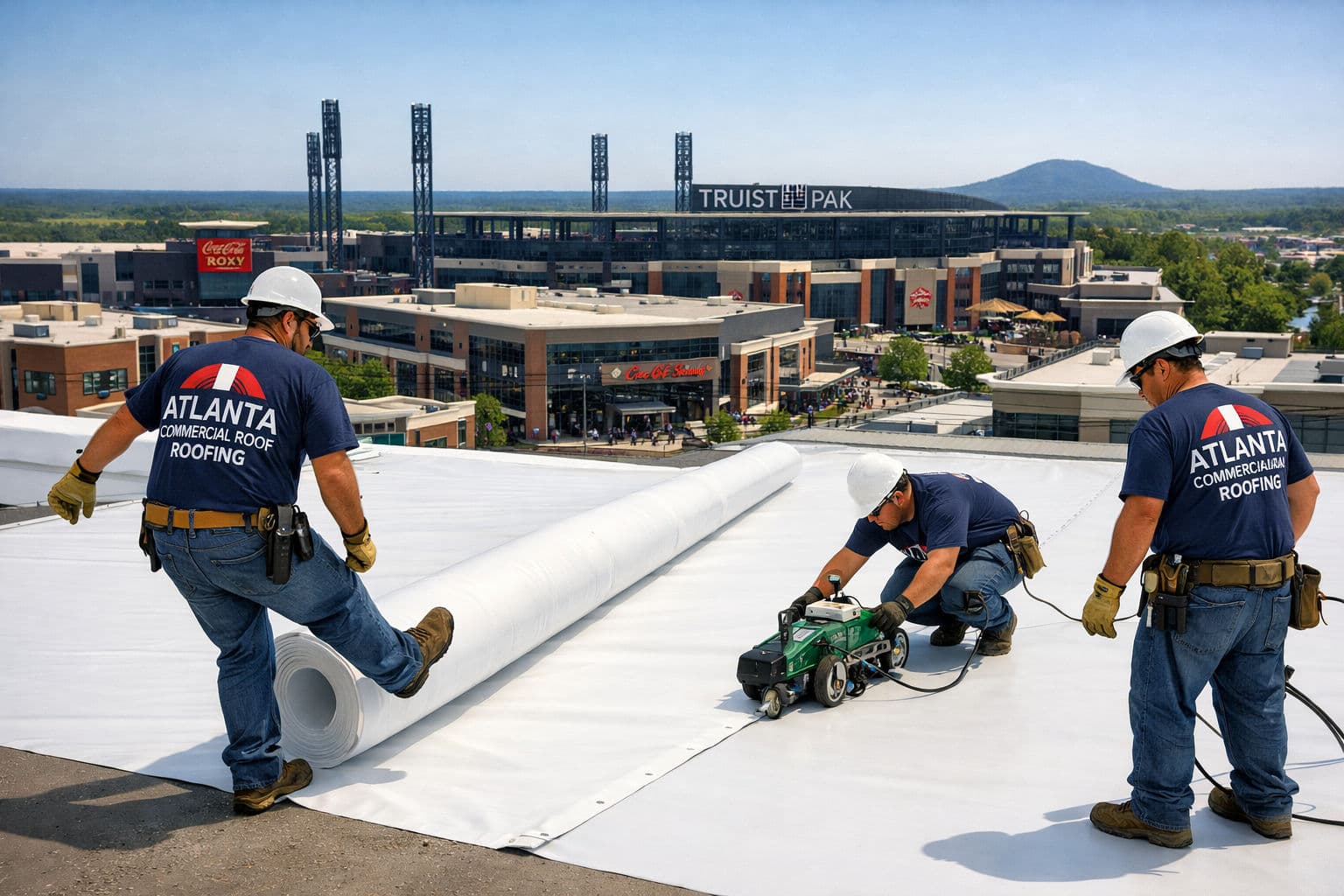
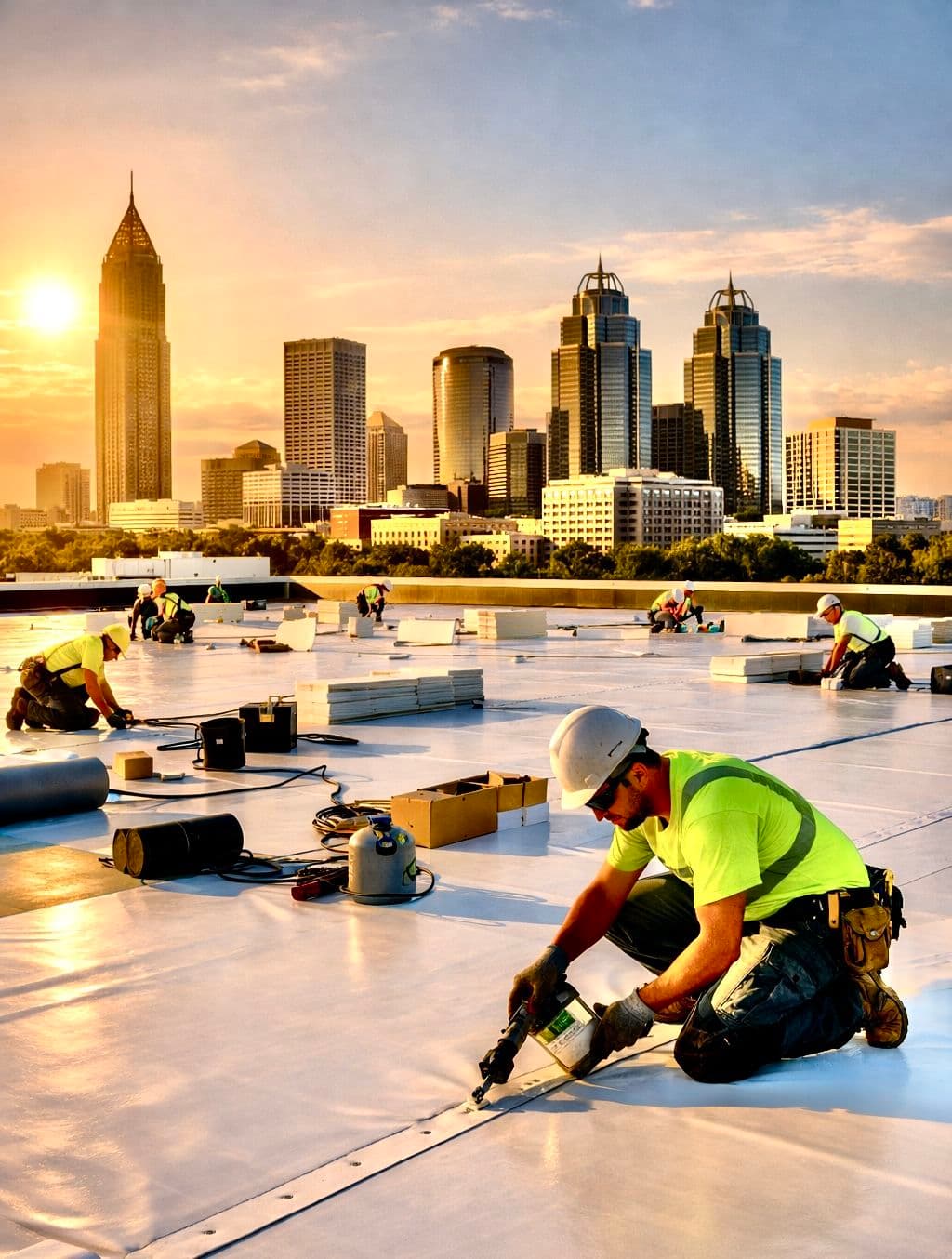
Our crew installs your TPO roofing system using proven commercial roofing methods, with careful heat-welded seams, flashing details, and quality-control checks throughout the job. After completion, we perform a final walkthrough, clean the site, and make sure you are fully satisfied before we close out the project.
At Atlanta Commercial Roofing Services, we install and replace TPO roofing systems for commercial buildings that need a strong, energy-efficient, and low-maintenance roof. TPO stands for thermoplastic polyolefin. It is a single-ply roofing membrane made for flat roofs and low-slope roofs. We recommend TPO for many commercial properties because it offers a solid mix of durability, weather resistance, and value.
TPO roofing is a popular choice for office buildings, warehouses, retail centers, medical buildings, schools, churches, apartment buildings, and industrial facilities. If your building has a low-slope roof and you want a clean, reliable system that can handle heat, sun, rain, and normal rooftop traffic, TPO is often one of the best options. We help property owners, facility managers, and business owners decide if it is the right fit based on the building structure, insulation needs, drainage, budget, and long-term goals.
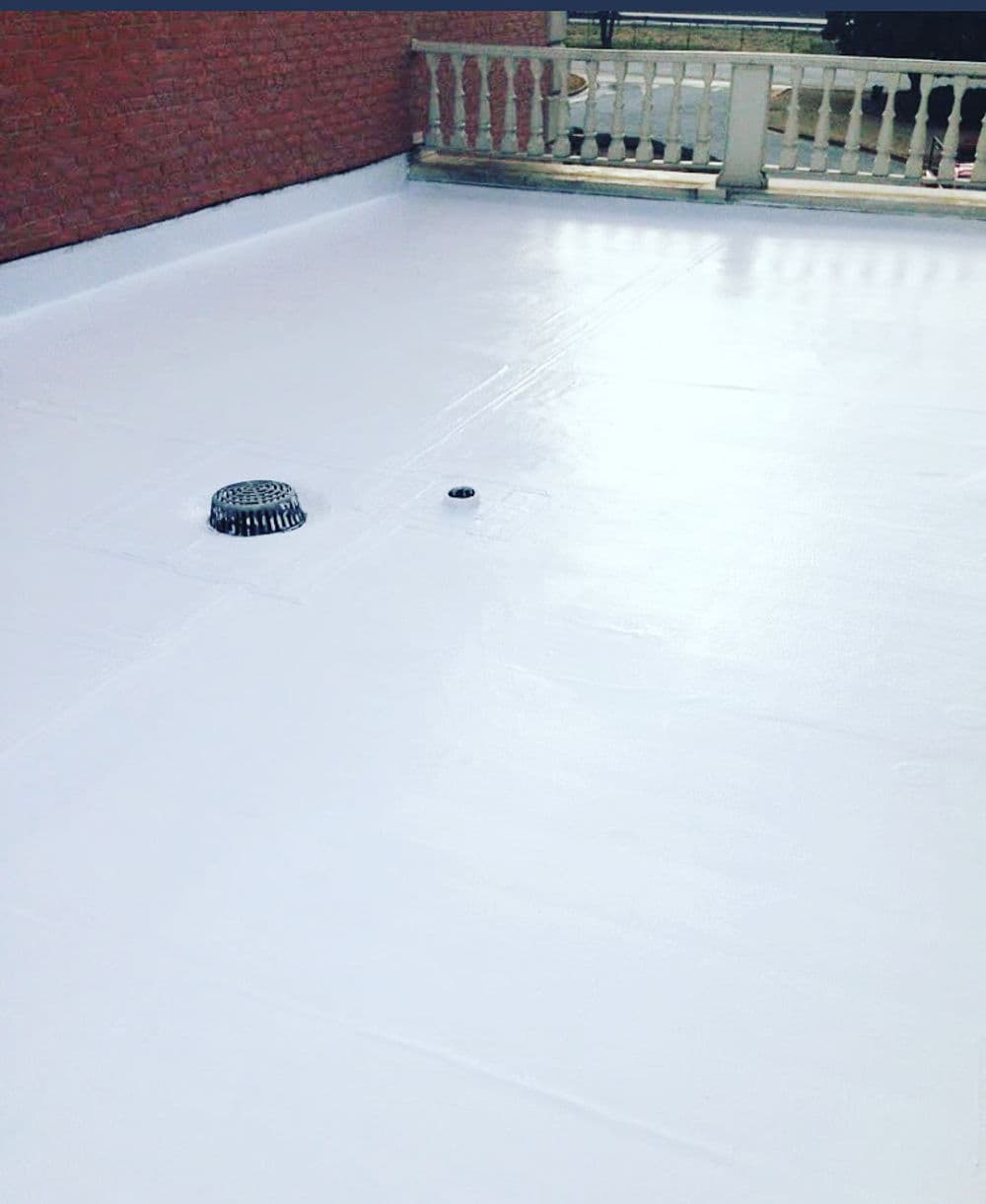
A TPO roof is built around a flexible, reinforced membrane that is installed in large sheets across the roof surface. The seams are heat-welded together to create a watertight bond. That seam strength is one of the biggest reasons many owners choose TPO. A properly installed TPO membrane helps protect the building from water intrusion, UV damage, ponding concerns, and daily wear from changing weather conditions.
These systems are commonly available in white, gray, and tan. White TPO is especially popular because it reflects sunlight and helps reduce roof surface temperatures. That can lower cooling demand during hot Georgia summers and may improve indoor comfort in some commercial buildings. For owners looking for a cool roof solution, TPO is often a smart option.
TPO roofing systems are designed for flat roofing and low-slope commercial roofing applications. They work well on both new construction and reroofing projects. We install TPO on buildings with different deck types, including metal decking, wood decking, and concrete substrates, as long as the roof assembly is suitable for the system. We also evaluate parapet walls, rooftop units, penetrations, drain locations, flashing conditions, and edge details before we recommend the best approach.
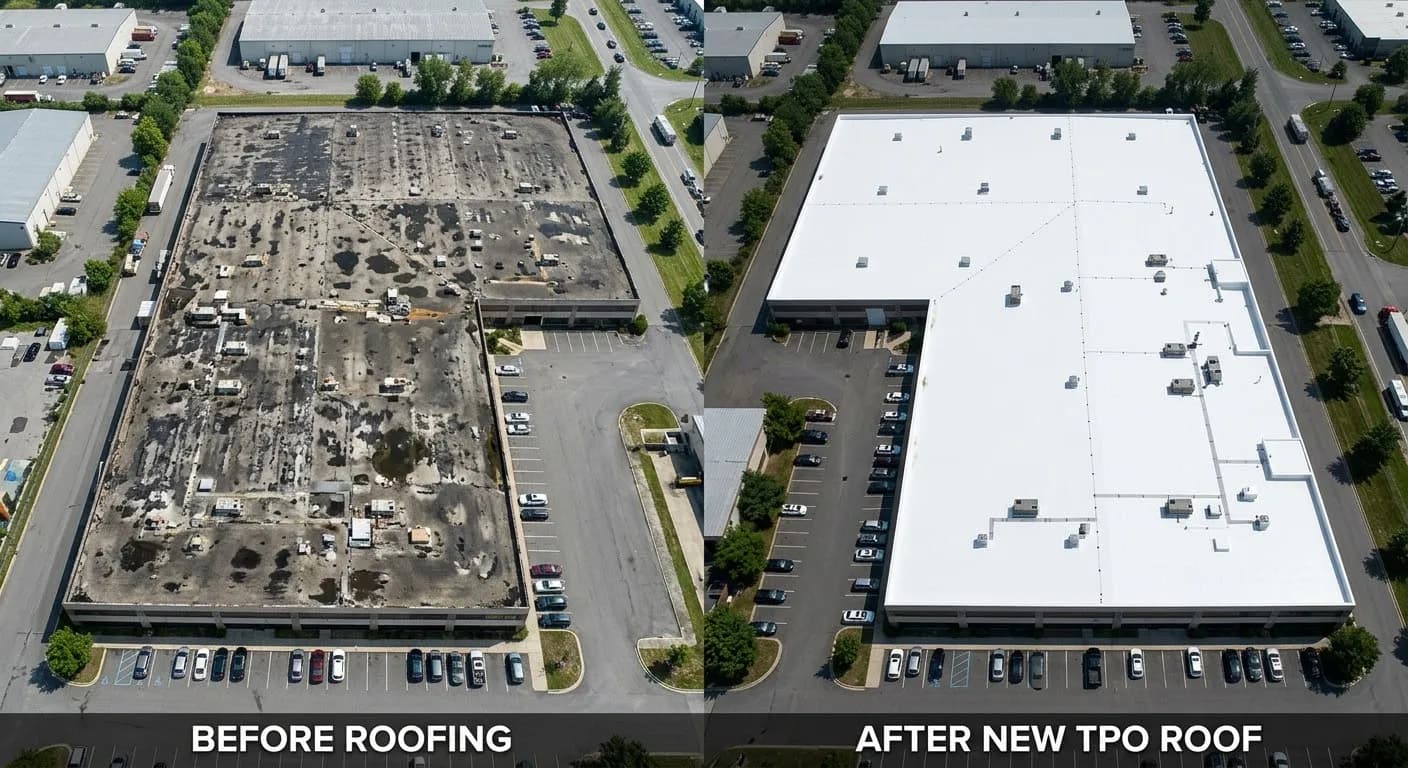
If your current commercial roof is aging, leaking, or costing too much to maintain, a TPO roof replacement may give you a better long-term answer. In some cases, we can install a new membrane over an approved existing roof assembly if local code, moisture conditions, and manufacturer requirements allow it. In other cases, a full tear-off is the safer and smarter choice. We will explain the pros and cons clearly so you can make the right decision for your property.
We start with a full roof inspection. We check the condition of the existing membrane, insulation, decking, flashing, drains, curbs, penetrations, edge metal, and any problem areas. If there are active leaks, soft spots, trapped moisture, storm damage, or signs of poor drainage, we document them and explain what they mean for the project.
Next, we build a roofing plan based on your building’s needs. That includes membrane thickness, insulation layout, attachment method, slope improvement if needed, flashing details, and coordination around HVAC units or other rooftop equipment. Our goal is to install a roofing system that not only meets code and manufacturer standards, but also performs well in real-world conditions for years to come.
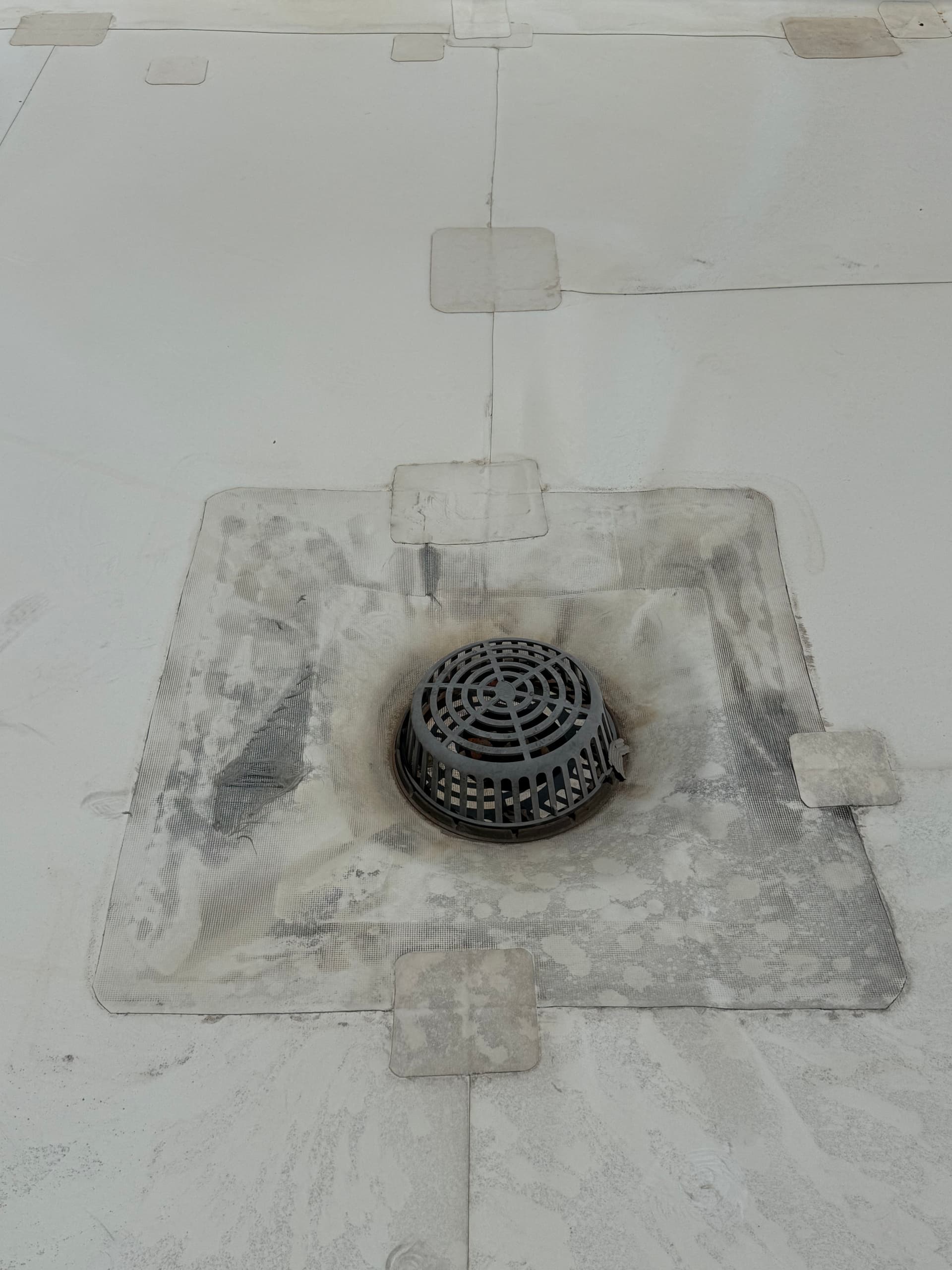
During installation, we prepare the roof deck, replace any damaged materials, install insulation if part of the assembly, and roll out the TPO membrane in sections. We then secure the membrane using the proper system design. Depending on the project, that may be a mechanically attached system or a fully adhered system. After placement, we heat-weld the seams and install flashing around penetrations, walls, drains, skylights, curbs, and roof edges. We pay close attention to detail because most roof failures happen at transitions and penetrations, not in the open field of the membrane.
After installation, we inspect the finished roof carefully to confirm seam quality, attachment, drainage flow, edge security, and flashing performance. We want every project to leave your property with a clean, professional finish and a roof system you can count on.
TPO roofing membranes are commonly available in several thicknesses, including 45 mil, 60 mil, and 80 mil. The right option depends on the size of the building, the roof design, expected foot traffic, exposure conditions, and your long-term ownership plans. In many cases, a thicker membrane offers better puncture resistance and longer performance, especially on roofs that see more service traffic from HVAC technicians or maintenance crews.
Insulation is another key part of the system. We often install polyiso insulation to improve thermal performance and help create a more energy-efficient roof assembly. Cover boards may also be used to increase durability, improve surface stability, and support better long-term performance. We review all of these options with you so the final system matches your building and budget.
TPO systems can be installed with different fastening and attachment methods. Mechanically attached TPO uses fasteners and plates to secure the membrane, while fully adhered TPO uses bonding adhesive for a smooth, secure application. Each method has benefits depending on wind requirements, building use, deck type, and system design. We will recommend the right assembly based on your property, your goals, and local conditions in the Atlanta area.
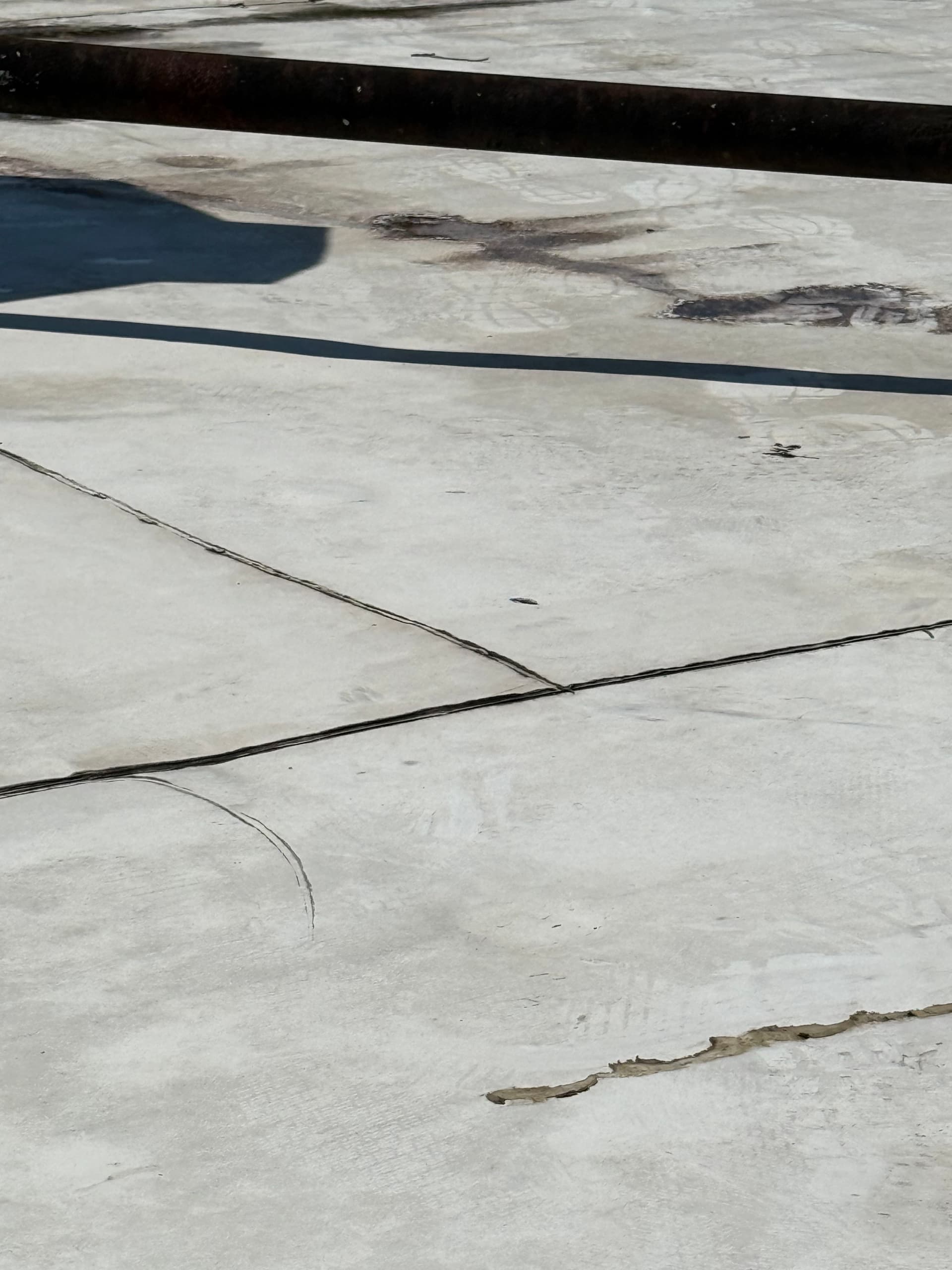
Not every TPO roof needs a full replacement. If your roof is still in fair condition, we may be able to complete targeted TPO roof repairs. That can include seam repairs, flashing repairs, puncture patching, drainage corrections, and leak detection work. The key is catching problems early before moisture spreads into the insulation or roof deck.
For older systems with widespread failure, recurring leaks, wet insulation, or membrane shrinkage, replacement is often the better investment. We give honest guidance based on the actual roof condition, not a one-size-fits-all sales pitch. If a repair makes sense, we will say so. If replacement is the safer long-term move, we will explain why.
We also provide preventive roof maintenance to help extend the life of TPO roofing systems. Routine inspections can identify open seams, punctures, loose flashing, clogged drains, storm damage, and other issues before they turn into expensive repairs. Regular maintenance can also help support warranty requirements and protect your roofing investment.
At Atlanta Commercial Roofing Services, we understand that a commercial roofing project is not just about materials. It is about protecting your building, your tenants, your operations, and your budget. We focus on clear communication, honest recommendations, quality workmanship, and dependable service from start to finish. We know how important it is to minimize disruption, keep the worksite safe, and deliver a roof system that performs in Atlanta’s heat, heavy rain, and changing weather.
When we install a TPO roofing system, we look at the whole assembly, not just the membrane. Proper drainage, insulation, flashing, edge details, and seam quality all matter. That hands-on approach helps us build commercial roof systems that last and helps our customers avoid repeat problems down the road.
If you are considering a TPO roof for your commercial property, we are ready to help. Whether you need a new flat roof, a full commercial roof replacement, targeted TPO repairs, or a professional inspection, our team at Atlanta Commercial Roofing Services will give you straightforward answers and practical recommendations. Contact us today to schedule a roof evaluation and get a TPO roofing solution built for your building, your budget, and your long-term needs.
Common questions we hear from property owners, facility managers, and business owners about TPO roofing. If you need straight answers about your roof, we’re here to help.