Hotel Parking Lot Sealcoating and Restriping Done Right
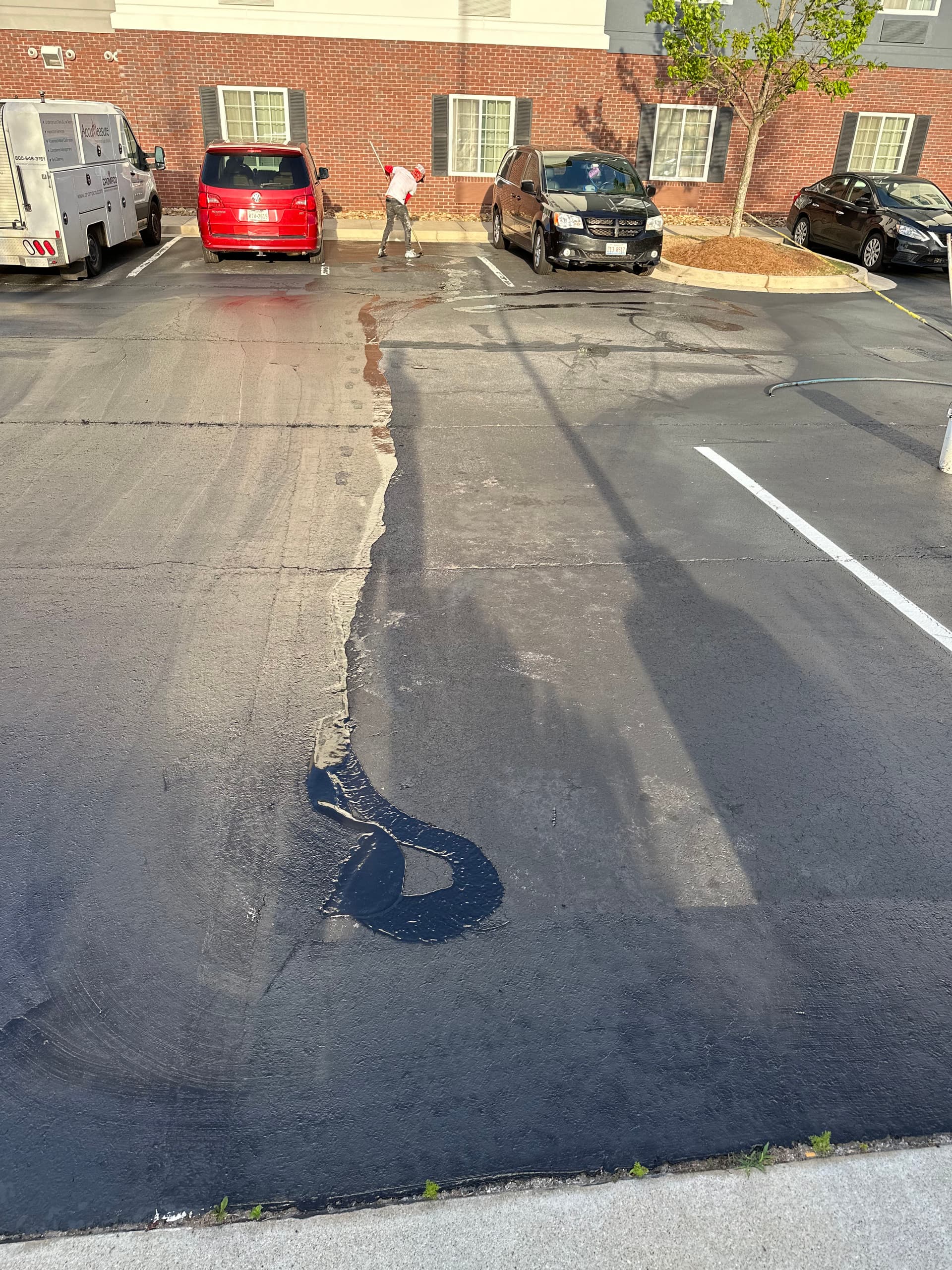
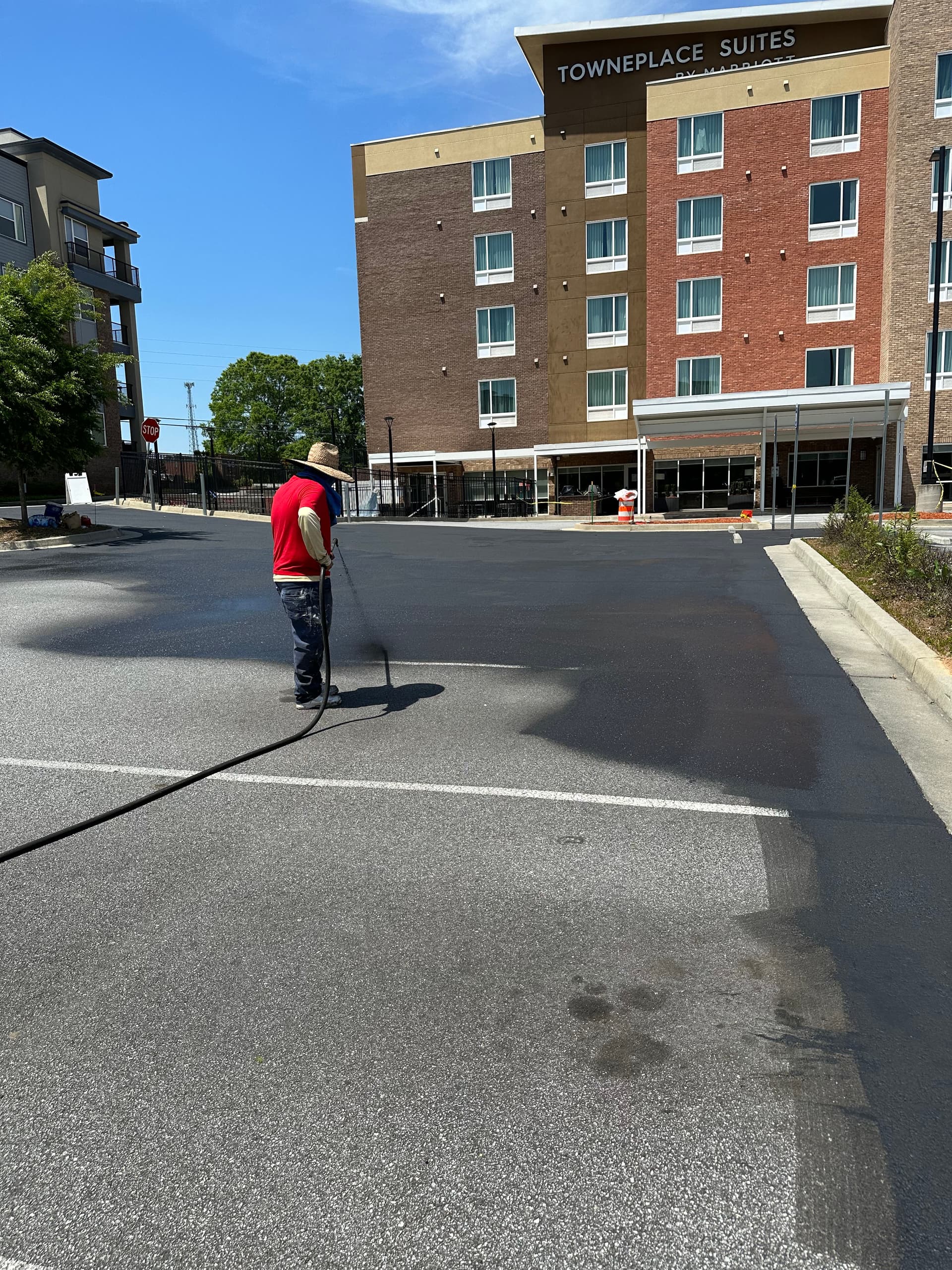
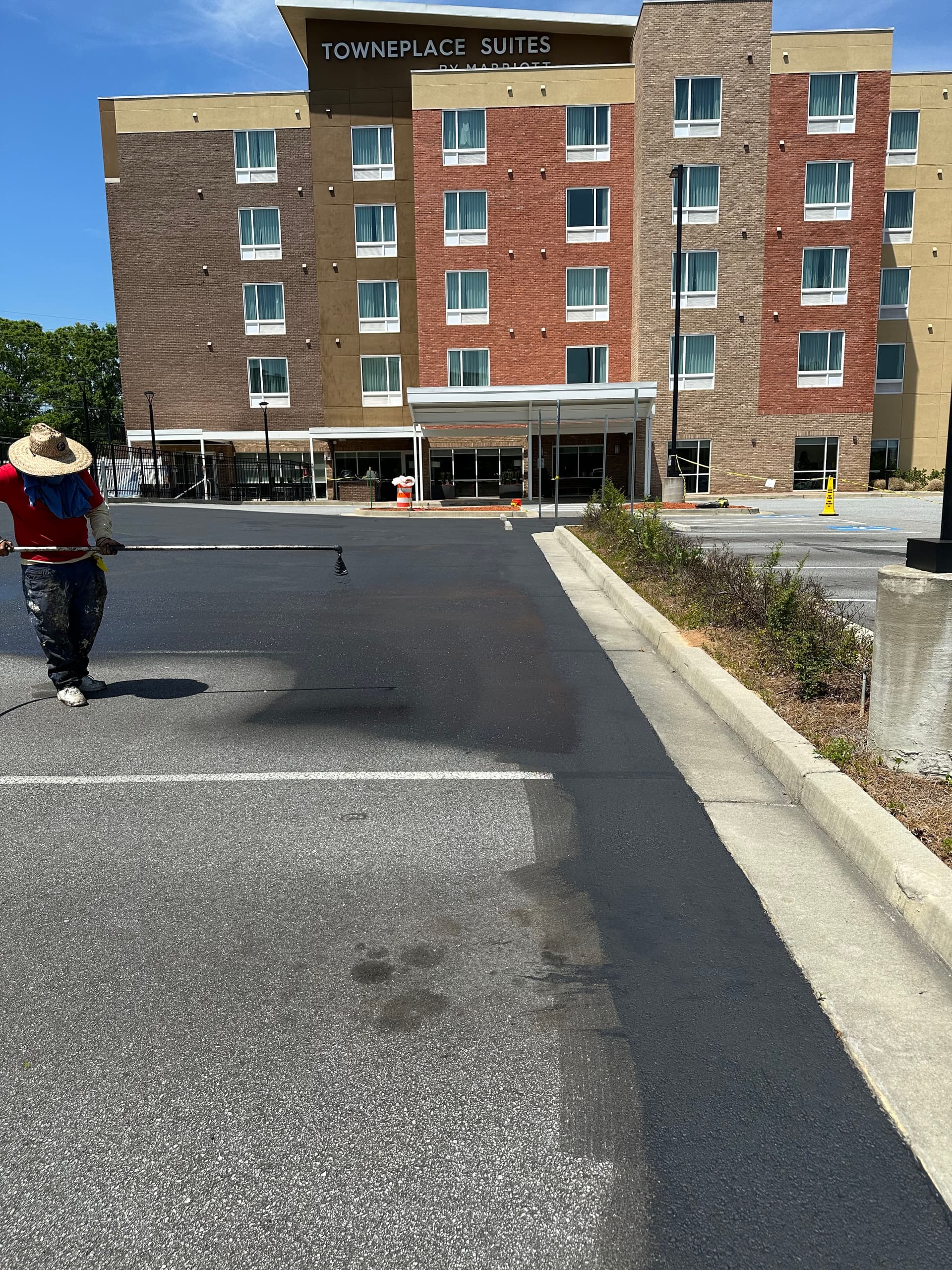
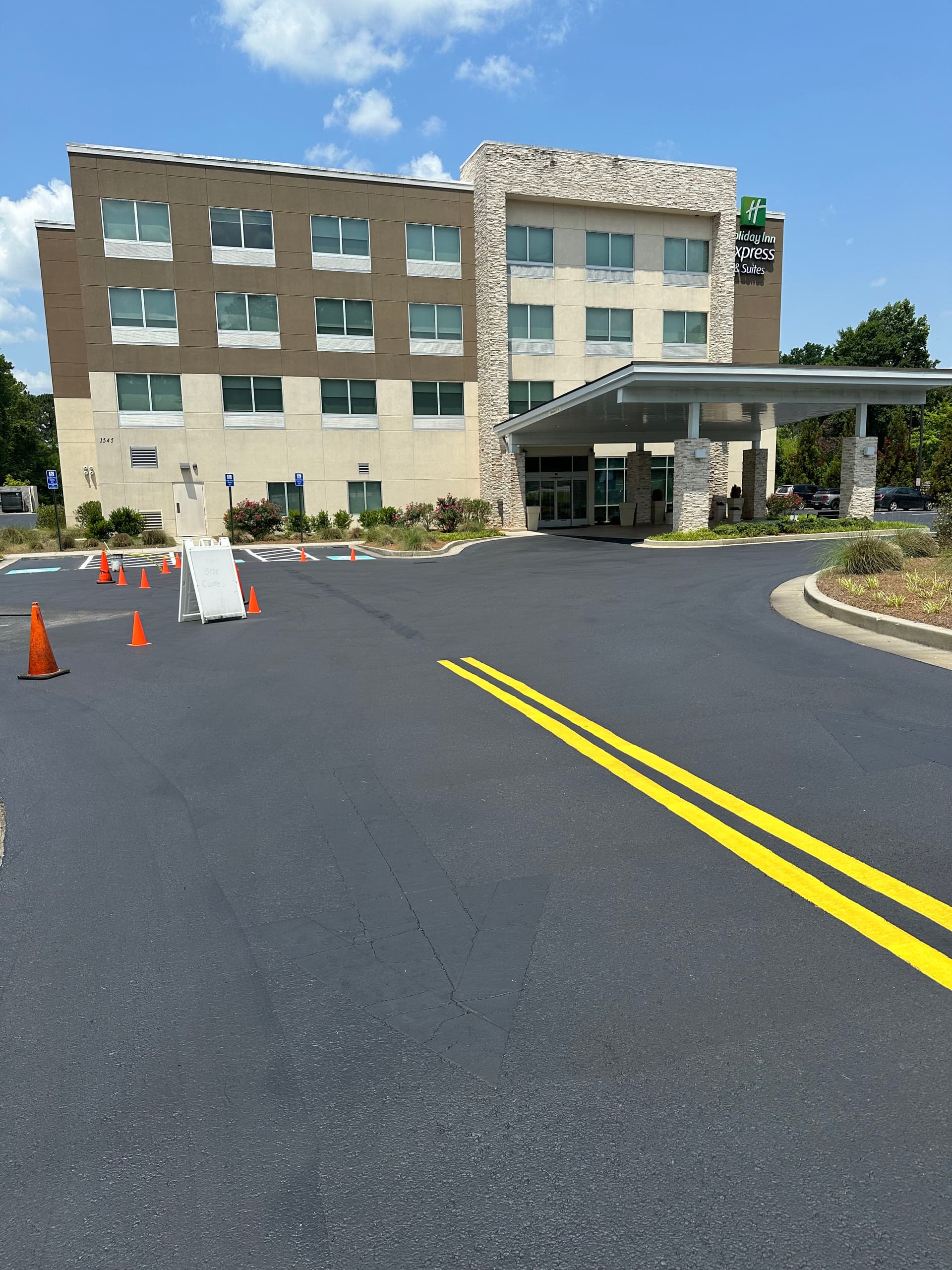
A parking lot takes a beating - especially at a hotel where guests are pulling in and out around the clock. When the pavement starts fading, cracking, and losing its lines, it doesn't just look bad. It starts sending the wrong message before a guest ever walks through the front door.
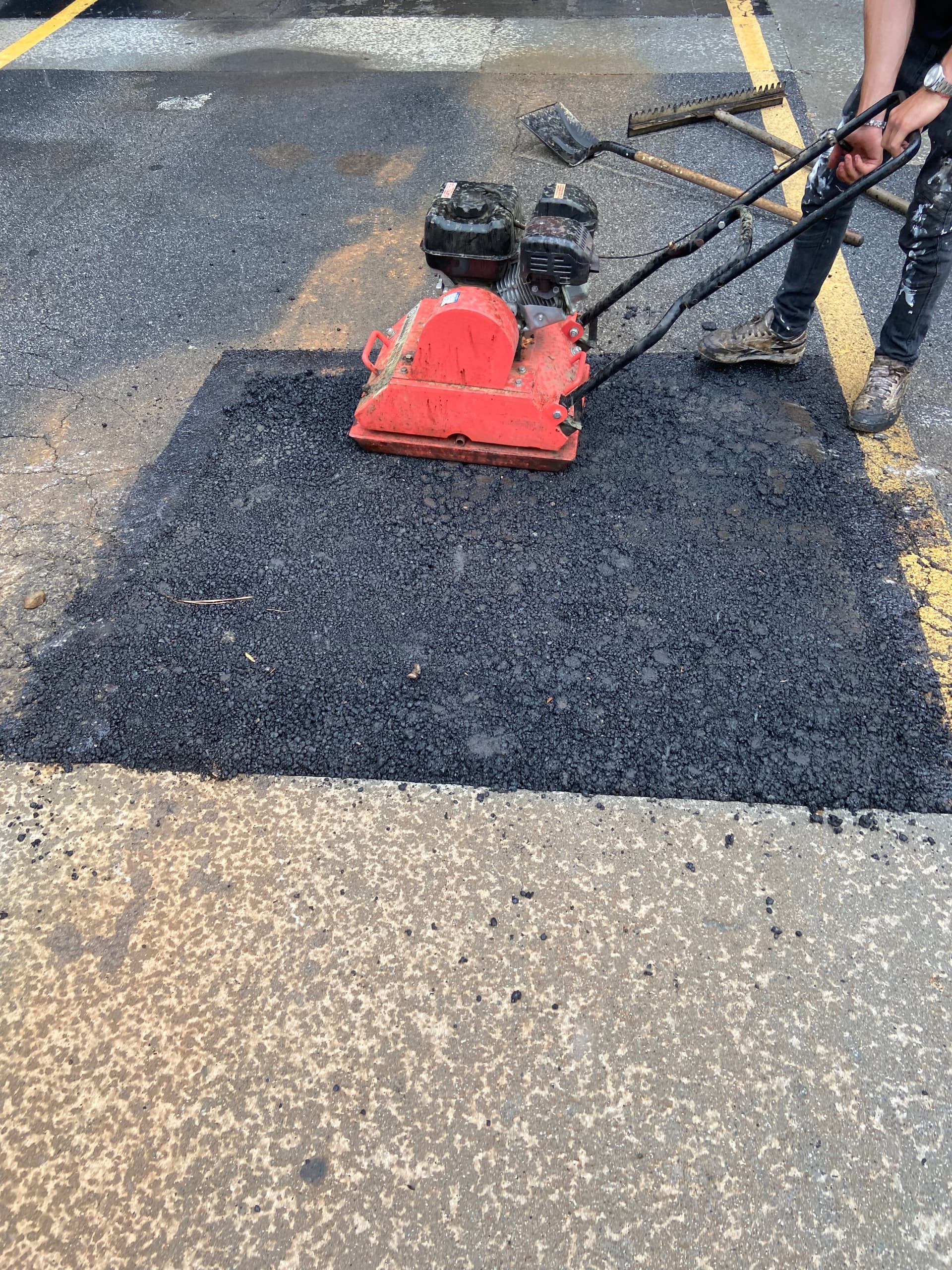
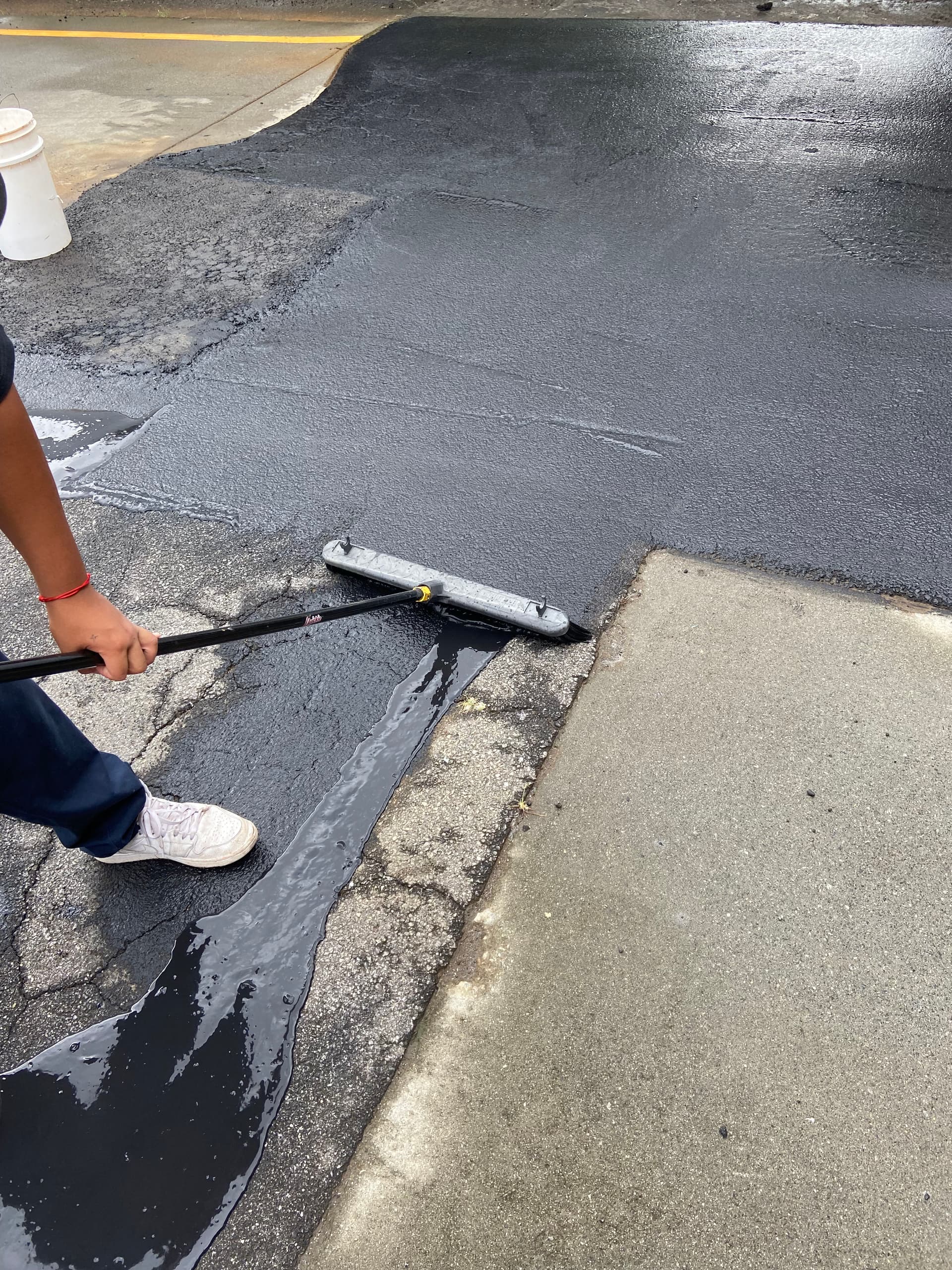
That's the kind of situation we deal with all the time. Here's what the full scope of work looks like when we do it right - patching damaged areas with a plate compactor to get a solid, even base, hand-applying sealcoat with a squeegee where precision matters, and running machine spray where we need consistent coverage across larger stretches of pavement. Each method has its place, and knowing which one to use makes a real difference in how the finished surface holds up.
Crack filling is part of the process too. Those surface cracks might seem minor, but they're how water gets in - and once water gets underneath the pavement and freeze-thaw cycles do their thing, you're looking at a much bigger repair bill down the road. Sealing them early is one of the simplest ways to protect your investment.
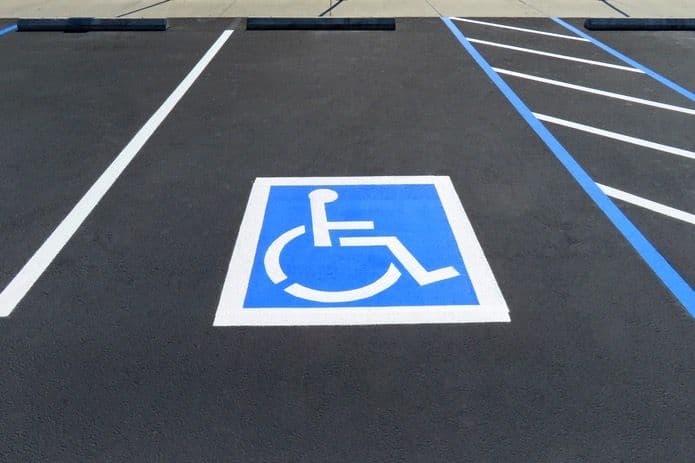
After the sealcoat cures, the restriping ties everything together. Clean white stall lines, bold yellow directional markings, and properly painted ADA-compliant handicap spaces - all of it matters. A well-marked lot moves traffic efficiently and reduces the liability that comes with faded or missing pavement markings. For a commercial property like a hotel, that's not a detail you want to skip.
We handle all of this - sealcoating, crack filling, and striping - as a complete package. Whether it's a small lot or a full commercial property, the approach stays the same. Do the prep work properly, apply quality materials, and stripe it clean so it's ready for daily traffic from day one.