When Your Flat Roof Starts Showing Fiberglass, Here's What to Do
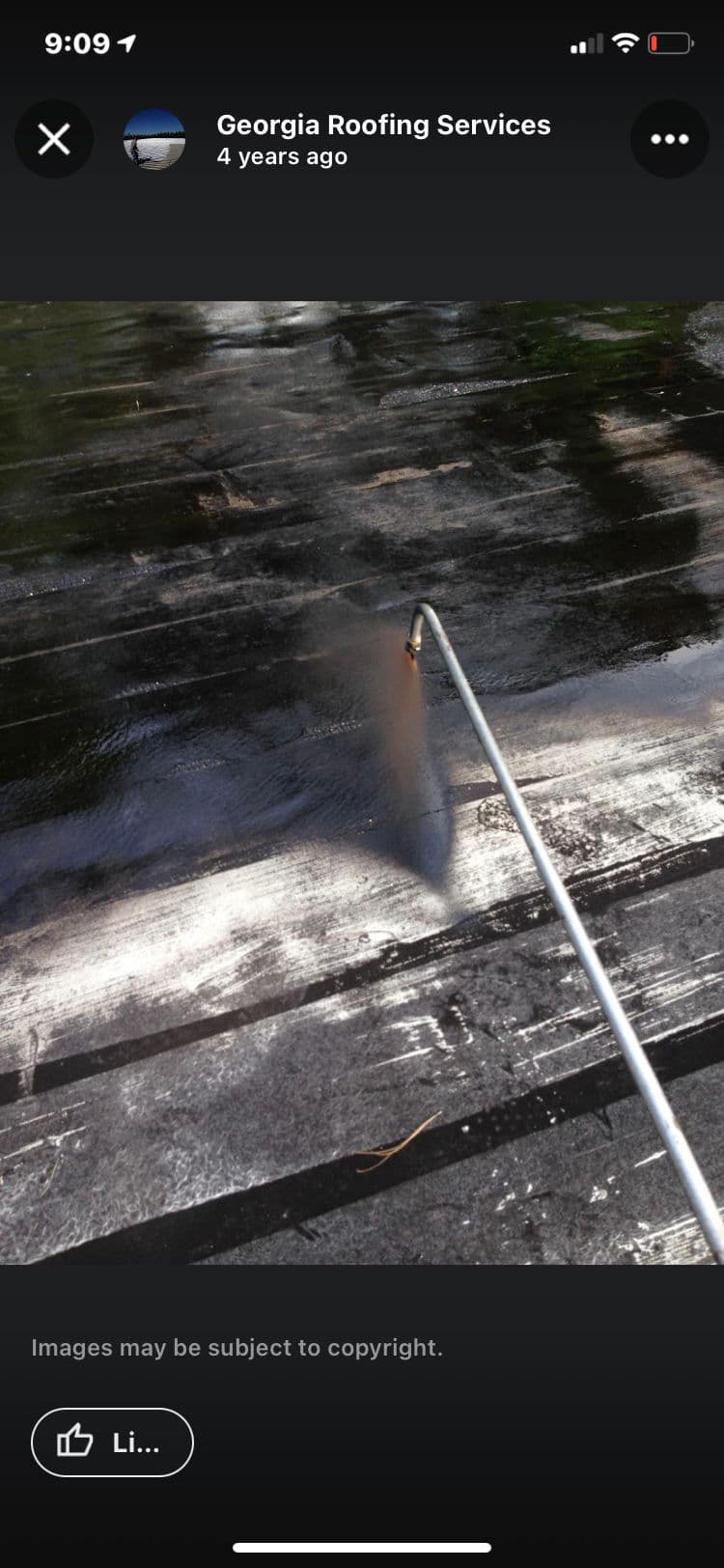
Flat roofs don't fail overnight. They dry out slowly - the oils leave the surface, the fiberglass starts breaking through, and before long you've got a roof that's wide open to whatever the weather throws at it. At that point, most people assume replacement is the only option. It's not.
On older 3-ply hot tar fiberglass roofing systems, a rubberized roof coating can do a lot of heavy lifting. The surface gets cleaned down, and then the coating goes on - sealing up the exposed fiberglass and reconditioning the layer underneath. It's not a patch job. It's a full surface treatment that puts a flexible, waterproof barrier back between your building and the elements.
What makes this approach worth considering is what it buys you. A properly applied rubberized coating can add 2 to 5 more years of life to a roof that would otherwise need full replacement. That's a significant difference in cost and disruption - especially when the underlying structure is still solid and just the surface has given out.
We've used this method on roofs that looked like they were done. Dry, brittle, fiberglass showing through in multiple spots. After coating, those same roofs were watertight and stable again. It won't work on every roof - if the decking is rotted or there's active structural damage, you're looking at a different conversation. But for a roof that's weathered but not wrecked, this is often the smarter move.
Rubberized and elastomeric roof coatings are some of the most underused tools in flat roof maintenance. They work, they save money, and they give you options when replacement feels like the only path forward.